Tim Patterson, aka The Tradeshow Guy, interviewed Kevin Carty this week about virtual exhibits on his Monday Morning Coffee vlog. Consider it as “Everything You Always Wanted to Know about Virtual Exhibits
Trade shows have an image problem. And, it’s our fault. Now, when I say, “image problem,” I’m not referring to drayage, show regulations, display and booth space costs, or any of the other issues that been an open wound for years.
The trade show floor can be like operating in a foreign country – with the various unions, terminology, and hazards. However, if you follow a few basic tips, you can successfully and economically navigate the Installation and Dismantle waters of your next show.
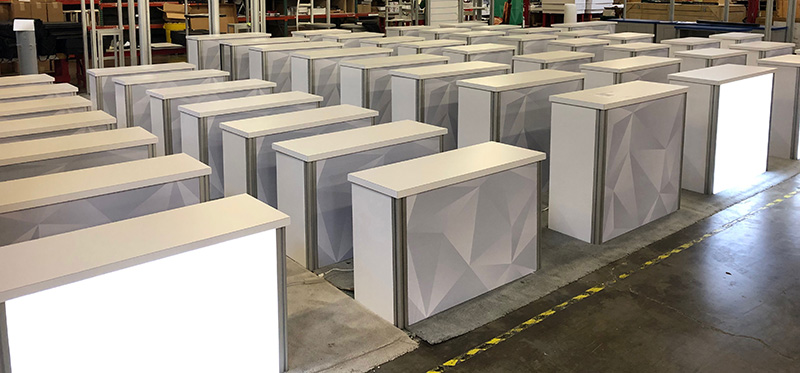
Trade Show Rentals have undergone a seismic shift not only in design but also in sales. And, this trend will continue in 2019 and beyond. This week, we chatted with Jim Shelman, the General Manager of Classic Rental Solutions. So what should you expect as an exhibitor or a Classic Exhibits Distributor Partner? More of the same, which is a VERY GOOD THING.