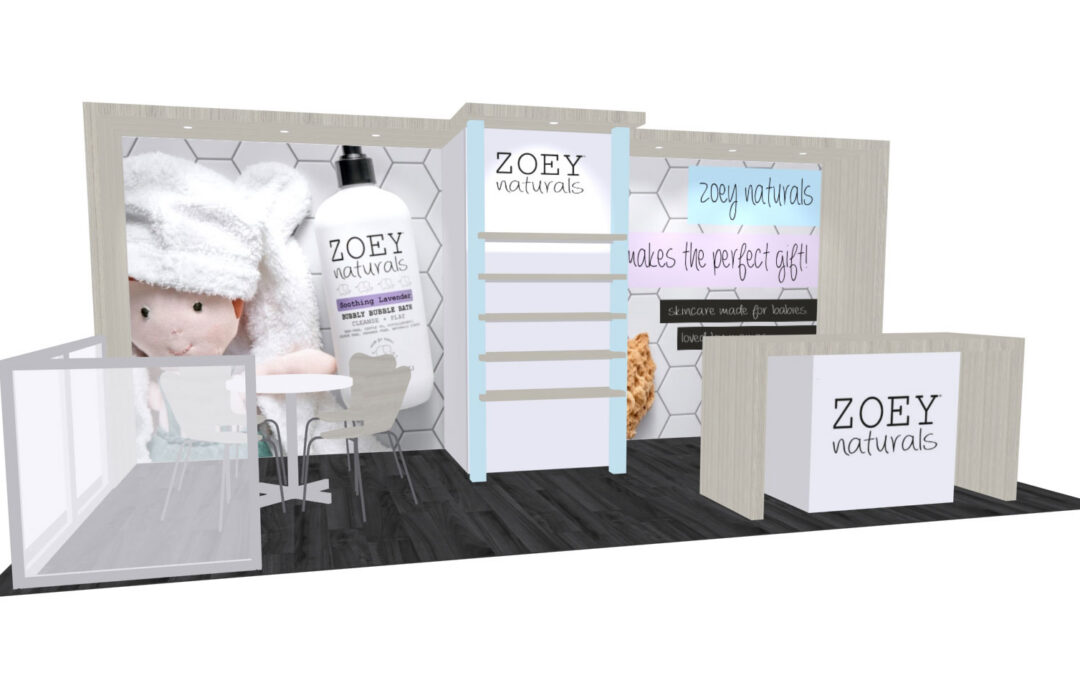
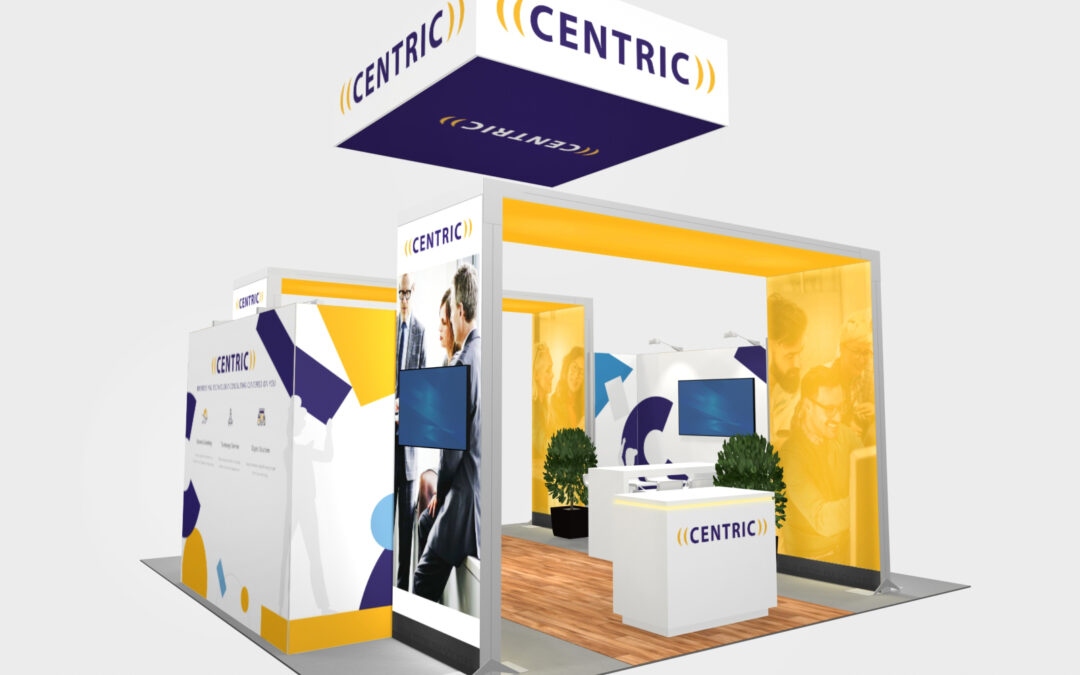
Recently, what I thought would be a simple, straight-forward conversation left me scratching my head. I was meeting with exhibit industry colleagues, and the topic turned to rentals. Admittedly, rentals shouldn’t be puzzling. Rentals have exploded at a rate 3 to 4 times faster than exhibit purchases. What surprised me was the perception and the language used to define the exhibit rental landscape.
Recently, I’ve been on the road, visiting Classic Distributors in the Midwest and South. We chat about industry trends, new products, and challenges in their market. Occasionally, they will ask me about competitors. That’s a topic, to be honest, that makes me uncomfortable.
As a parent, you teach your children to share — share their toys, their candy, their whatever.
At Classic, we’ve seen this rental trend since 2008. At first, it was driven by necessity. Exhibitors were committed to a show and/or committed to trade show marketing and their budgets were slashed. Now, however, that trend has less to do with slashed budgets and more to do with personalization, capacity, ownership, storage, and design.
Many exhibitors are guilty of two self-inflicted mistakes when it comes to trade shows. They don’t have a comprehensive sales and marketing strategy, and they don’t manage their trade show costs before, during, and after the event. Let’s change that.
Trade Show exhibit rentals are growing. Rapidly. And exhibit companies are trying to position themselves based on their individual strengths. Some rental-only exhibit companies are touting renting as the only solution. They say, “Why buy when you can rent? No more storage fees. You can change the display for every show. The cost is less.”
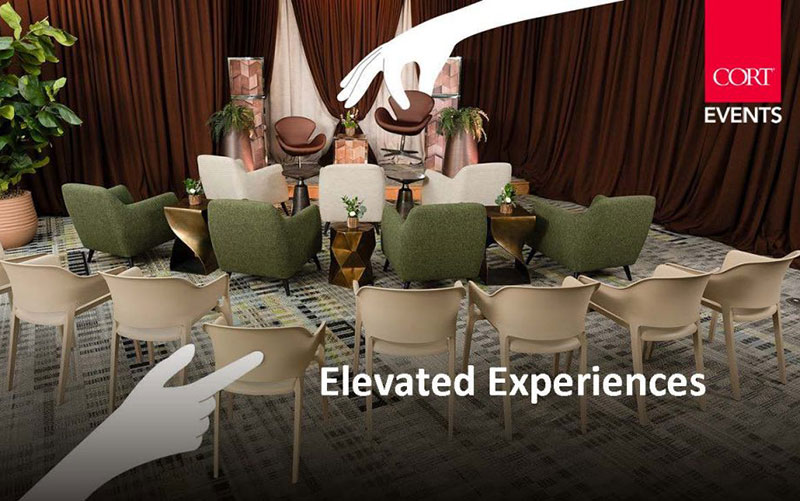
Selecting trade show rental furniture is a critical step in your exhibit planning timeline and it should happen well before your move-in. Ideally, you’re confirming your exhibition rental furniture several weeks (if not months) in advance.