Those exhibiting at trade shows need to understand the prospects are most likely informed about the basic functions and qualities of your products or services before they approach your booth. They no longer need to interact with a salesperson to learn about the high-level information.
In general, first generation (new) products are introduced with mid-level quality. Meaning, while the materials may be of a higher quality, there are always bugs, features, etc. that lessen the “perceived” value. Those are remedied quickly, and the quality improves. Think first generation smartphones, cars, or footwear.
Trade shows are all about making a good impression, so what exhibitors wear matters. However, “What to Wear” is often the last checkbox on their trade show checklist. But it shouldn’t be. More than anything, trade show attire should be a conscious decision, one that mirrors your trade show strategy.
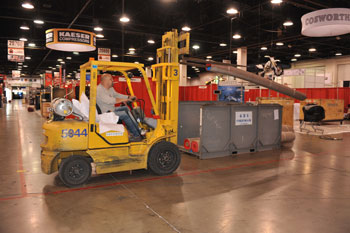
If you are familiar with trade shows, you are all too familiar with material handling or drayage. These two terms, which mean the same thing, often elicit a very strong emotional response from exhibitors. So what is drayage? Drayage refers to the movement of your trade show booth items from your carrier’s delivery vehicle to your booth space.
I’m a sucker for a clever, creative, well-designed Infographic. It reminds me of my childhood browsing through over-sized books about history, science, or sports where the graphics engage and educate.
I don’t have the patience or the talent to create infographics so when I find one that hits a bulls-eye about trade show marketing, I feel compelled to share. This week, I hit the jackpot and discovered three, all created by Megan Lemmons at Mostre Design/Advent Exhibits. My thanks to Megan for sharing with the Classic Exhibits Network.
I don’t consider myself “old,” yet I remember business-to-business sales before the Internet. You contacted a salesperson, who was the “Gatekeeper of All Information.” Then you went through a series of meetings, learning a little more with each one. After all the meetings with all the potential vendors, you made a decision. It was time-consuming, expensive, and frustrating.