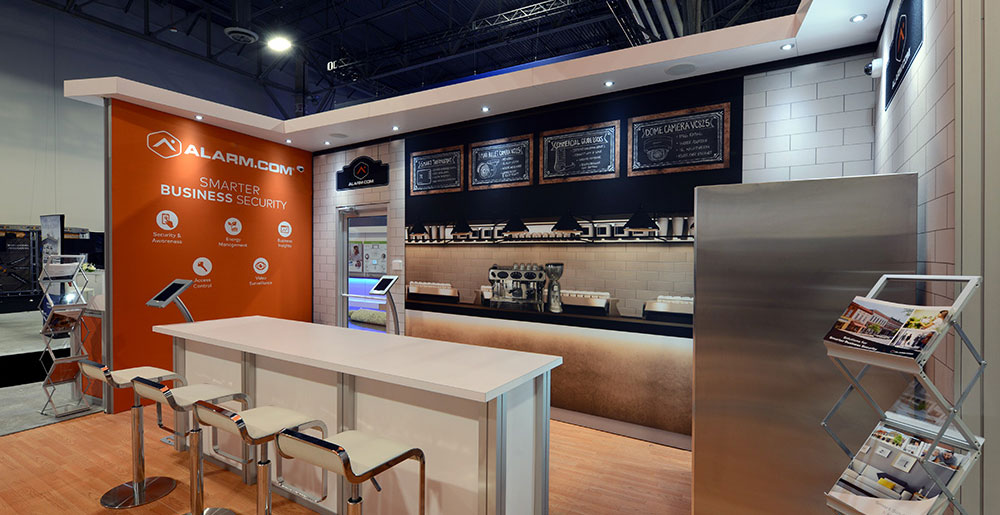
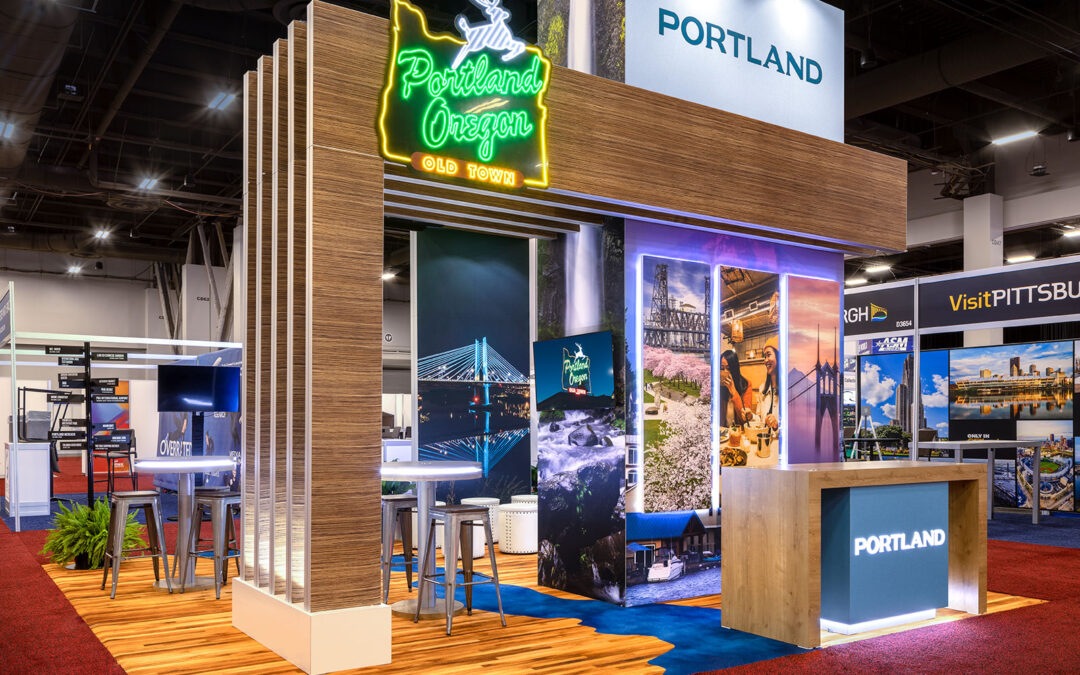
The trade show season is in full swing, and exhibitors are talking about new graphics, giveaways, and Las Vegas. I love this time of year… and to some extent, loath it. I get to hear exhibitors grumble about the cost of a display, poor leads, drayage, and their ROI.
Trade show exhibit booth space is assigned based on booth size and show seniority. Location is only one factor in selecting an ideal exhibit booth space Keep some distance between you and your competitors.
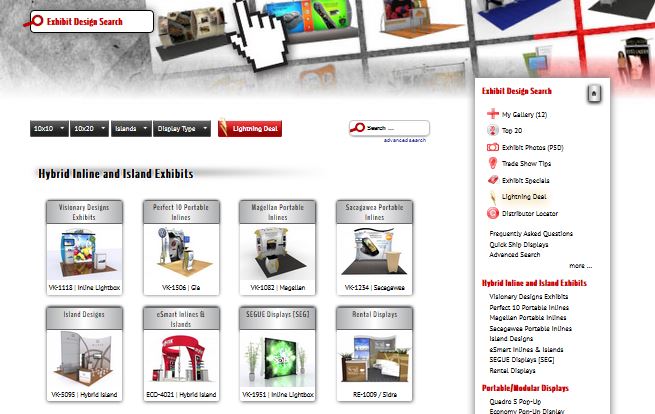
Twelve years ago, we coined the phrase “Exhibit Design Search.” Back then, it was exactly that — a simple way to search through our product galleries for kit numbers and features. As with anything successful, there are bound to be copycats. Other display vendors and distributors have attempted to replicate Exhibit Design Search.
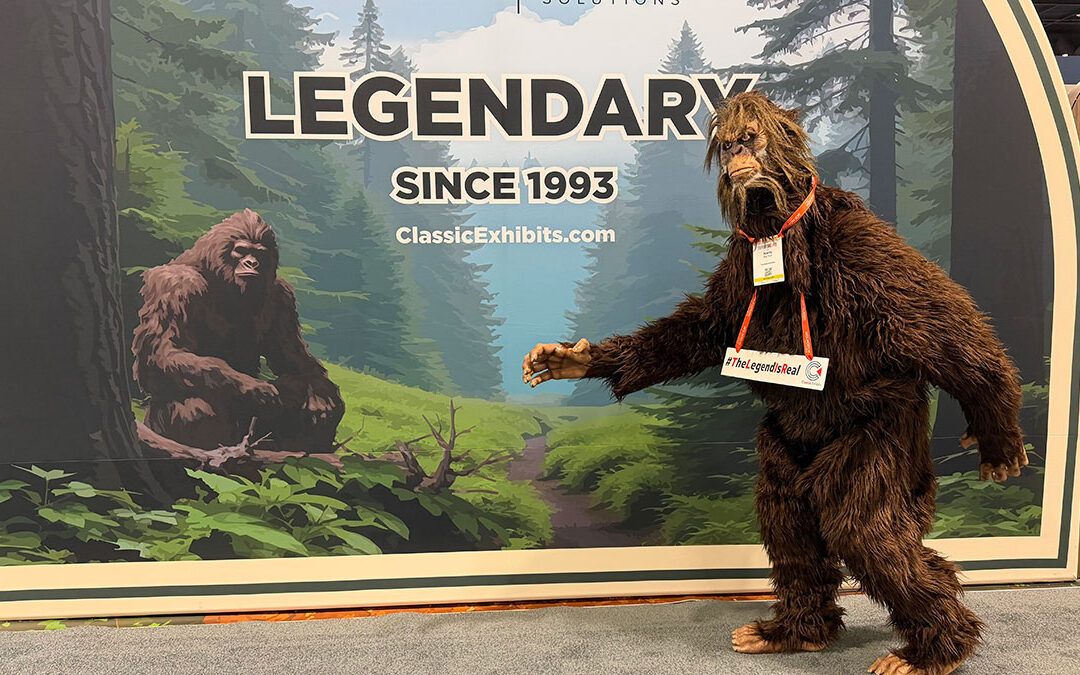
Sasquatch is no seven foot dummy. He (she) has a brain to match that brawn. Bigfoot understands marketing, knows PR like a Madison Avenue insider, and can out Kardashian the Kardashians without taking a step outside the Pacific Northwest. Here’s what our “ancestral brother from another mother” can teach us about trade show marketing.
Anyone who writes marketing or sales emails sweats over subject lines. Admittedly, I’ve read quite a few articles from experts, each with kernels of wisdom. Yesterday, I read a great one from Tina Brown at Warp Corp, a builder and printer of tension fabric structures in Seattle. Tina brought it all together in a tidy, well-written package. So, I’m sharing.
Thank you for a CRAZY FALL SEASON. We’ve had strong sales, including a record number of AMAZING custom projects. The rental division, Classic Rental Solutions (CRS), saw the largest surge. And that’s not surprising. Exhibit rentals are growing at Classic and throughout the industry.