

Think you know logistics? Well, forget 50% of what you know because it doesn’t pertain to trade show logistics. The key is knowing which 50%. Let’s explore the frustrations, and the idiosyncrasies of trade show logistics. Some of it won’t make sense, which is fine. You’ll just have to accept it because no amount of badgering, bullying, or bluster will change how freight companies, convention centers, or general show contractors operate. It’s their world and navigating it takes a bit of knowledge and patience.
Our task in this post is to compress the learning curve, and as a result, save you a little money and lower your blood pressure. At Classic Exhibits, we’ve been handling trade show exhibit planning and logistics for our clients for 30 years. We’ve learned a thing or two. We’ve also learned what works, what doesn’t, and what may happen regardless of your best-laid plans. Live events almost always come with a few surprises.
Trade show logistics involves efficiently moving an exhibit and equipment to a show site, managing setup and utilities, and finally getting everything back to headquarters in one piece after the event.
The entire process can be quite challenging, even if the show is taking place within your city. But it gets tougher when borders are involved. The challenge of managing the logistical side of trade shows in another state or another country is an entirely different ball game. This is where hiring the services of trade show logistics providers can be a big relief.
Understanding Trade Show Logistics and Coordination
Trade show logistics include the packaging, movement, services, installation, and dismantling of an exhibit. In short, it’s much more than simply scheduling the shipping to and from a show site. In some cases, it’s very straightforward. You may be participating in a small trade show close to your location at a regional convention center. Planning may only take a few hours.
However, exhibiting in your industry’s primary trade show in Las Vegas, Chicago, or Orlando with an island exhibit may require days (or weeks) of planning, including understanding the show regulations, general show contractor forms and deadlines, and the labor regulations specific to that city and venue. If you work with an exhibit house, they can guide you on best practices.
Here are some routine tasks to consider:
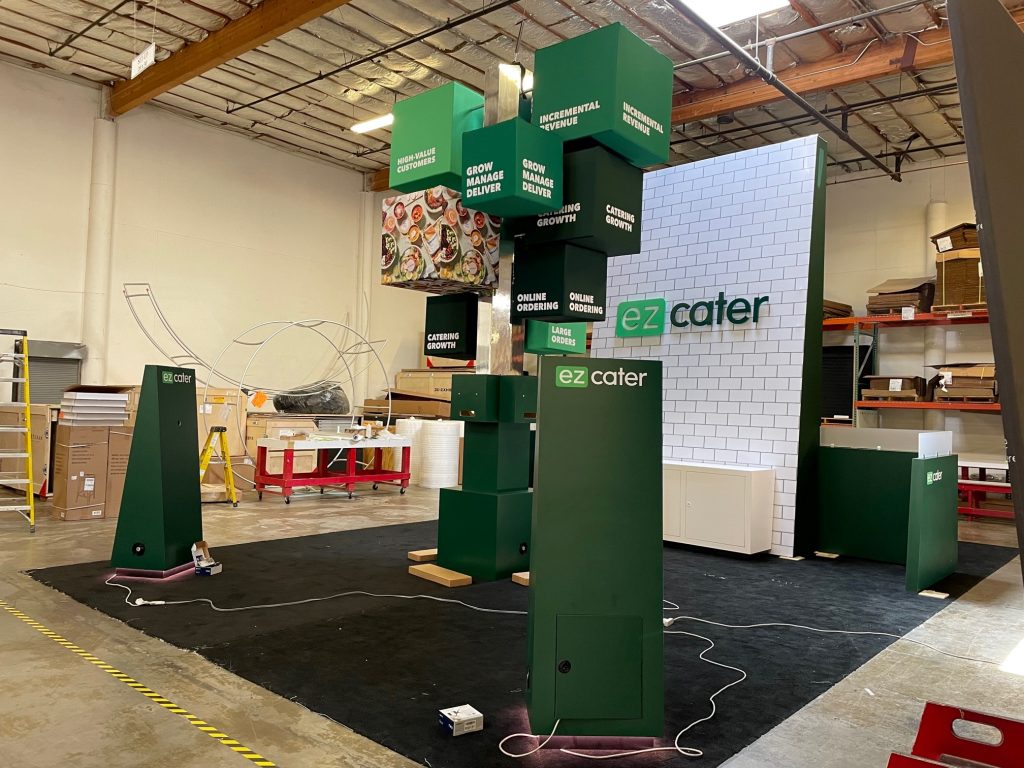
Your Exhibit: May seem obvious… You either have an exhibit or you need to order one. Either way, the process takes time, especially the design, build, and staging of a new custom trade show exhibit. Even if you already own an exhibit, you’ll need to stage it to ensure nothing is broken or missing or (at a minimum) open the cases and crates and complete an inventory of parts, pieces, and graphics.
Show Services: Services can be as simple as ordering electrical or as extensive as ordering labor, rigging (for an overhead sign), cleaning, lead management, material handling, and flooring. All these services have deadlines and early bird prices. Ordering them on time not only saves money but makes the installation and dismantling process less stressful.
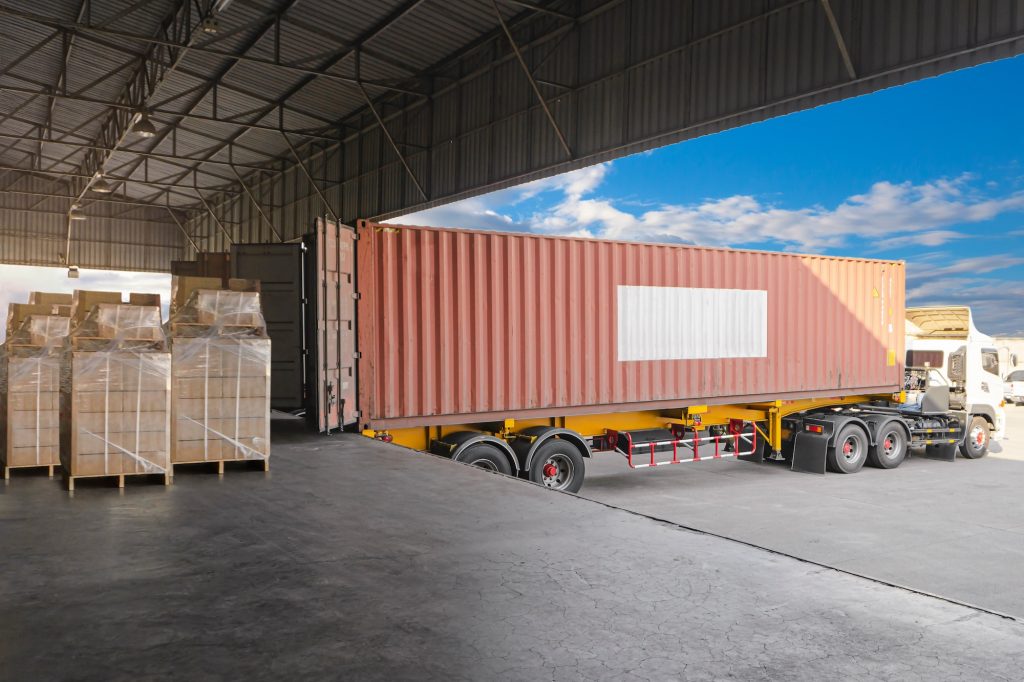
Freight: Mention “logistics” and freight immediately comes to mind. Shipping trade show freight to convention and exhibition facilities isn’t as straightforward as shipping 6 boxes or a pallet of equipment to a customer. See the section below for details on Navigating Trade Show Shipping.
Navigating Trade Show Shipping
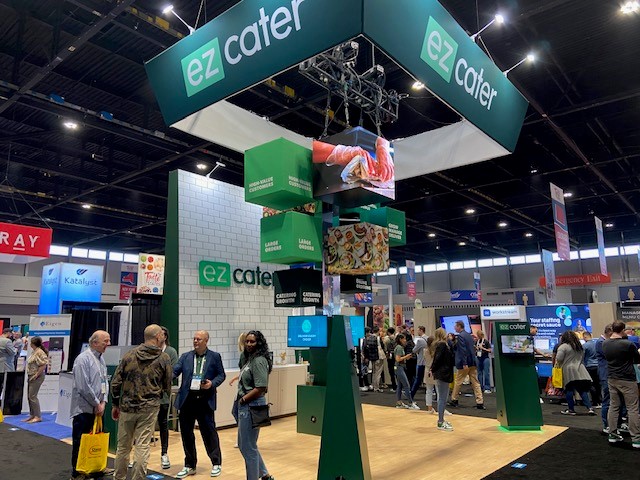
At least once, probably more often, you’ll be surprised, shocked, or dismayed by a trade show shipment. Join the club, my friend. Just when you think you’ve got it down, you’ll encounter another gotcha on your shipment. Your exhibit house can be your best friend regarding trade show shipping. They already know the ins and outs and typically have a relationship with multiple carriers. Let’s explore some of the more common questions.
Advanced Warehouse vs. Shipping Direct to Show. New exhibitors are often confused by this choice since the Advanced Warehouse is more expensive than shipping to show. There’s a reason and if possible, always ship to the Advanced Warehouse if that’s an option.
Here’s why… by shipping to the Advanced Warehouse, you ensure your exhibit arrives on time, and if there’s any visible damage to the crate, the General Show Contractor will often inform you. Freight in the Advanced Warehouse is then transported to the show site first, which means you can schedule your show services and labor without guesswork.
Shipping to the show site means the freight carrier will go directly to the show site on a specific date and time, along with hundreds of other trucks. There’s usually a line and the drivers will have to wait their turn. Waiting incurs charges and the freight company will pass that along. It also means you don’t know precisely when your crates or cases will arrive in your booth space so scheduling can be dicey. This means you might now be able to have your labor crew during regular hours vs. overtime hours.
Freight Carriers, Including UPS and FedEx. For smaller shipments, UPS and FedEx are excellent options. This includes portable displays packed in roto-molded cases with wheels. If you have multiple roto-molded cases, like 6+, consider strapping them to a pallet and shipping them via a common carrier. Not only will you save money, but it’s less likely (1) of those cases will disappear into the UPS/FedEx Black Hole, lost for days (and occasionally, forever).
For larger shipments, you’ll use an LTL freight carrier, unless you have enough crates and products to fill a trailer. Ask the freight carrier about their experience shipping trade show materials. Not all carriers and drivers want the hassle associated with exhibition freight. Also, ask about any special charges and restrictions. You’ll need to know the dimensions of your crates, destination, date(s), and estimated weight to obtain an accurate quote. Get the quote early. The longer you wait, the more expensive it can get. Just like a shark, carriers can smell blood (and desperation).
Crating and Packaging. Damage happens. Excellent crating and jigging can prevent it, but few exhibitors spend time inspecting the packaging before shipment, and even fewer review the packaging once the show is over. Crates designed for reusable packing (with reusable packaging materials) may be the smartest investment an exhibitor can make, even more than the actual exhibit design.
However, even excellent crating can’t always prevent damage during transit or damage from forklift drivers. If you see damage or the potential for damage, document it immediately and file a claim. Don’t wait!
Return Shipping: You’re probably thinking, “Return shipping is a no-brainer, right?” And the answer should be “Yes!” And yet, it’s often forgotten during the stress of getting the exhibit to the show and scheduling show services. Freight not picked up after a show by a specific date will be “Force Shipped” by the General Service Contractors. The GSCs love forced freight because they can charge 2X, 3X, or even 4X rates to return your exhibit to you. Don’t let the happiness of a successful show be marred by an unexpected forced freight charge.
Creating an Effective Trade Show Schedule
Whether you participate in 1-5 trade shows or 250 trade shows a year, creating an effective trade show schedule will ensure the right marketing, the right people, and the right exhibits are in place to maximize your success. Plus, your CFO will love you since a comprehensive trade show schedule and budget makes their job easier and limits financial surprises.
Most companies have already identified their primary trade shows. Some will require a larger presence than others, not only in the size of the booth space and exhibit size but also the number of people who will be attending. However, from year to year, marketing priorities change and new products and services are introduced. In those situations, it’s wise to review which trade shows offer the greatest return on your investment.
Choosing the Right Trade Show
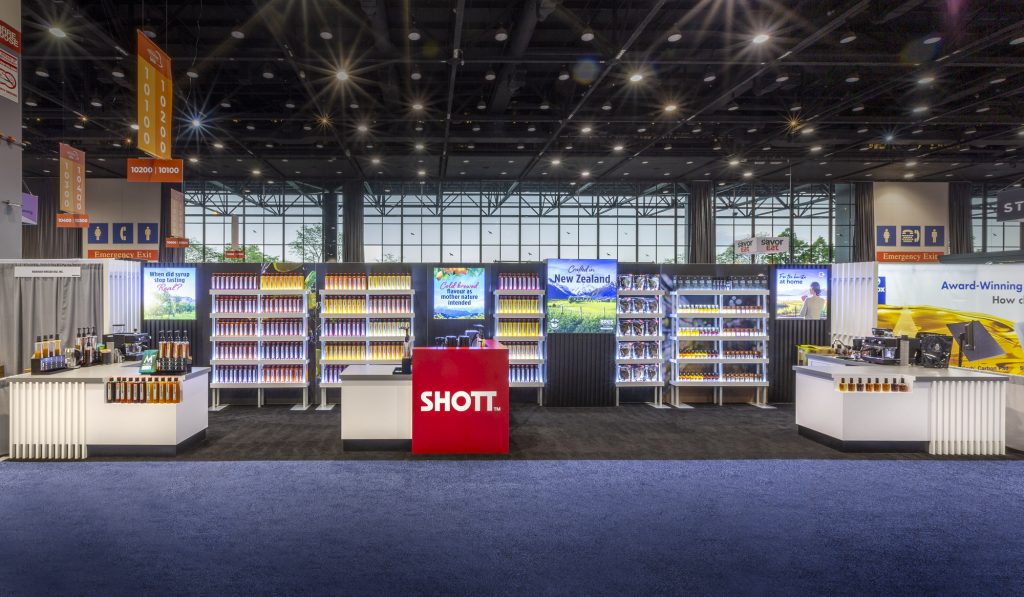
Here are some key factors to consider when choosing which trade show to attend.
1. Define Your Goals:
- What are you hoping to achieve by attending a trade show? Generate leads, launch a new product, increase brand awareness, network with potential partners, or learn about industry trends?
2. Target Audience:
- Who are you trying to reach? Look for shows focused on your industry or niche, considering demographics, buying power, and decision-making roles of attendees.
3. Research Potential Shows:
- Consider factors like location, date, reputation, size, and exhibitor list. You can also reach out to past exhibitors or attendees for their feedback.
4. Budget & ROI:
- Analyze the costs associated with each show, including booth space, travel, accommodation, marketing, and staff expenses. Choose shows that align with your budget and offer a promising return on your investment.
5. Additional Tips:
- Don’t be afraid to try out new shows, but always evaluate their success and adjust your strategy based on results.
It’s never a bad idea to ask suppliers, customers, and even friendly competitors which trade shows they attend. You might be surprised by their answers and discover a customer segment you hadn’t considered.
Additionally, consider using these four search tools to find trade shows in North America and the world.
- TSNN: https://www.tsnn.com/
- Tradeshow Calendar: http://www.thetradeshowcalendar.com/
- EventsEye: https://www.eventseye.com/index.html
- TopTradeFairs.com: https://10times.com/top100

Trade Show Exhibit Logistics with Classic Exhibits!
You can’t plan for everything, but planning for the expected and having contingency plans for the unexpected will increase your odds of a successful and less stressful show. Trade show logistics are largely controllable, and successful trade show marketing doesn’t happen by accident. The key is identifying the right strategy and executing the right plan.
For over 30 years, Classic Exhibits has been a reliable source of expertise for new and seasoned trade show marketers. The Classic Exhibits Distributor Network includes over 200 exhibit houses and display professionals in North America. Find success on the trade show floor with an exhibit that reflects your marketing message. For more information, see www.classicexhibits.com and explore Exhibit Design Search or request a meeting with a Classic Distributor Partner.