

You’re excited to exhibit at your industry trade show. You paid your deposit. Now the show organizer has contacted you about sponsorship opportunities. Should you consider it? And why? Trade shows are excellent sales and marketing opportunities where exhibitors can meet with 1000s of prospects over 2-3 days. But many trade show exhibitors still struggle to attract attendees on the show floor. So, how do you increase your odds in a landscape where hundreds of brands are all vying for the attention of attendees?
For many companies, trade show sponsorships can elevate a brand’s visibility by creating touchpoints at the event and visibility beyond their physical exhibit footprint. In this article, we’ll discuss how trade show and event sponsorships can improve awareness, booth traffic, engagement, and lead generation while reviewing those sponsorships that offer little measurable or financial value.
Key Takeaways
- Why Trade Show Sponsorship Can Improve Brand Visibility
- The Best Trade Show Sponsorship Ideas for Exhibitors
- How to Maximize a Trade Show Sponsorship
- Trade Show Sponsorship Mistakes to Avoid
- Trade Show Sponsorship Ideas Based on Your Marketing Goals
What Is Trade Show Sponsorship?
Do you associate trade show sponsorships with logo lanyards, reception graphics, and keynote speakers? Those are all viable sponsorships, and for many companies, they’re cost-effective and successful marketing options. Sponsorships can range from simple logo placement to highly integrated experiences that put a brand directly in front of attendees.
If you are considering a sponsorship, start by viewing it as an extension of your overall trade show marketing strategy rather than a standalone branding expense. The most impactful event activations address a specific attendee need, initiate meaningful dialogue, and align with the natural flow of the show.
But don’t limit your sponsorship options to a list provided by show management. Most show managers are open to creative ideas that benefit exhibitors, attendees and the organizer. For example, consider sponsoring “Do Not Disturb” workpods, hydration lounges, wayfinding stations, or rideshare credits. Ideally, the sponsorship should be memorable and viral at the event. You want attendees to talk about it with other attendees so it becomes an experience, not just another chicken, rice, and broccoli lunch sponsored by Company XYZ.
Why Trade Show Sponsorship Can Improve Brand Visibility
Trade show sponsorship improves brand visibility by expanding exposure far beyond the physical boundaries of an exhibit booth, cutting through floor clutter, and embedding a company directly into the attendee journey.
- Beyond the Booth: While a booth relies primarily on foot traffic down specific aisles, strategic sponsorships create multi-touch visibility before, during, and after the event. An exhibit space, regardless of footprint, is confined to fixed coordinates on the show floor. Sponsorship unlocks access to high-traffic non-exhibit zones.
- Category Authority: In B2B purchasing, visibility correlates directly with perceived market viability and credibility. Buyers want to know a vendor is established enough to invest in the industry, which is why show organizers offer platinum, diamond, and gold sponsorships.
- Extending Visibility: Standard booth visibility is limited to hall hours. Sponsorships extend a brand into the entire marketing lifecycle managed by show organizers.
- Driving Booth Traffic: The ultimate objective of sponsorships is converting passive awareness into booth foot traffic and qualified leads. Sponsorships, digital messaging, keynote introductions, badge branding, and VIP receptions, spark curiosity, organic brand recognition, and facilitate face-to-face meetings.
Sponsorship vs. Booth-Only Marketing
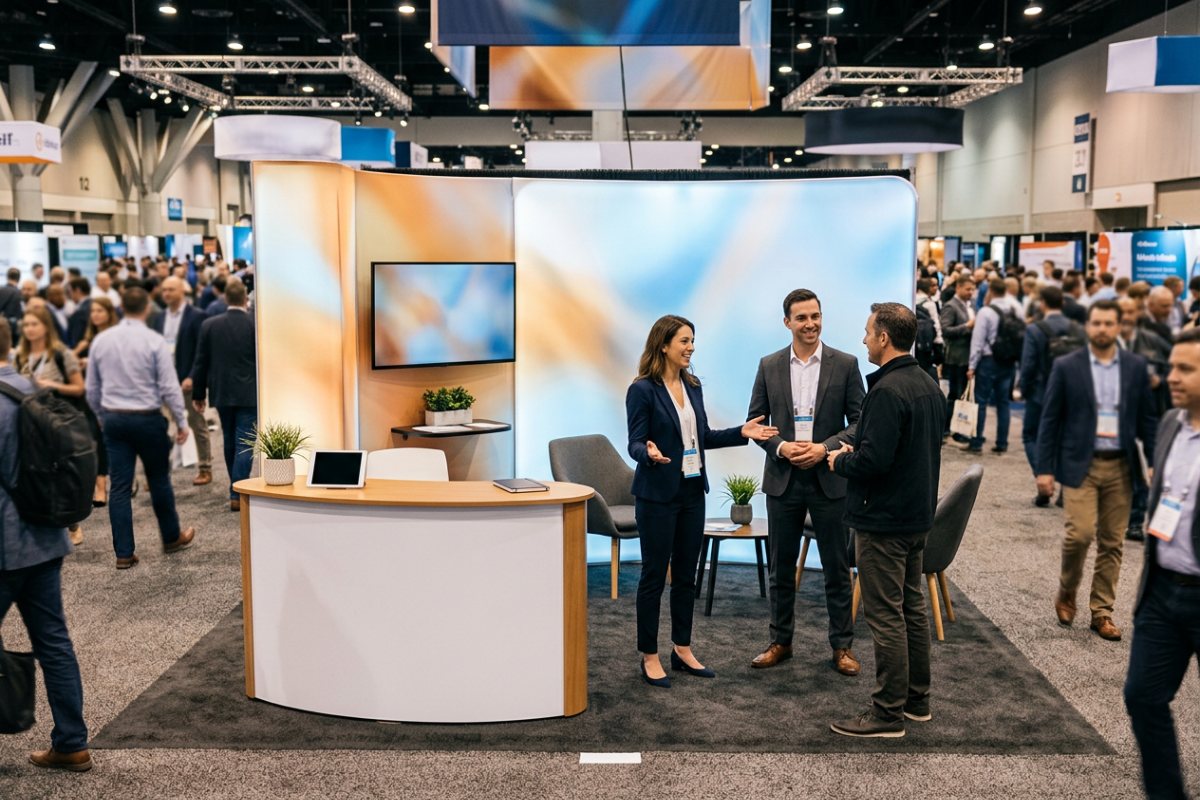
One of the challenges of trade show sponsorships is that they can push marketers outside their comfort zone. Deciding whether to rely solely on an exhibit booth or invest in an integrated sponsorship package involves a key decision: focus strictly on targeted conversions inside your exhibit footprint, or extend your brand’s reach and impression frequency throughout the entire event venue. The highest return happens when the sponsorship is treated as a funnel designed to send attendees to the booth. The sponsorship must spark action. Marketers are challenged with creating a message or activity that eventually redirects the attendee to the booth, especially for products or services that require technical demos, multiple stakeholder conversations, or closed door meetings.
| Factor | Booth-Only Marketing | Booth + Sponsorship |
|---|---|---|
| Brand Visibility | Primarily concentrated at booth | Extends across event |
| Attendee Touchpoints | Limited | Multiple |
| Pre-Event Exposure | Usually limited | Can begin before event |
| Brand Recognition | Dependent on booth location/design | Reinforced through multiple placements |
| Engagement Opportunities | Primarily booth-based | Can include event-wide experiences |
| Lead Generation Potential | Booth dependent | Multiple paths to engagement |
Tip: When your competitors have massive anchor booths, strategic sponsorships (keynote introductions, lanyards, floor lounges, etc.) allow you to attract attention at an event without matching a rival’s island footprint.
The Best Trade Show Sponsorship Ideas for Exhibitors
Every sponsorship should start with your trade show or event strategy. Does the sponsorship offer a strategic opportunity? Does the sponsorship align with your messaging? And, finally, does your budget allow you to take full advantage of the opportunity? When accessing a sponsorship,, you should evaluate it based on audience relevance, visibility, exclusivity, engagement potential, and measurable outcomes. Keep in mind that sponsorship packages vary by event and certain sponsorships may not be available to all exhibitors. Or may be available to exhibitors based on seniority before being offered to all exhibitors.
Branded Charging Stations
If you’ve ever been on the hunt for an electrical outlet on the trade show floor, you know how frustrating it can be. You just want to charge your phone and the only available outlet is in a restricted area or 10 ft. from the public restroom. Sponsored or branded charging stations in combination with lounge seating is always a welcome electrical oasis. Not only does it allow attendees to charge their phone and relax, but it’s also the perfect spot to meet with other attendees (and even exhibitors). Be sure to add QR codes, giveaways, games, or social media opportunities to increase engagement.

Wi-Fi or Connectivity Sponsorships
Although Internet connectivity in convention centers has improved over the years, bandwidth can still be challenging with 1000’s of people all trying to connect simultaneously. Sponsorships tied to attendee Wi-Fi, connectivity, or digital event infrastructure can increase brand awareness, particularly with repeated exposure and a clear reason for attendees to engage with the sponsor.
Lanyard and Badge Sponsorships
While lanyard and badge sponsorships are often considered unglamorous compared to high-tech digital activations, they remain popular for one simple reason: they are the only physical item every single attendee, speaker, exhibitor, and VIP wears at eye level for the entirety of the event.
Lanyards and badges have four distinct advantages: universal distribution, multi-day visibility, minimal competition, and walking directional signage. To maximize attention, insist on no-twist lanyards, distinctive strap colors and designs, functional QR hook, or double-sided badges.
Education Session or Speaker Sponsorships
Sponsoring education sessions, keynote tracks, or workshop stages shifts your brand positioning from an interruption on the show floor to an authority delivering industry insights. While aisle exhibits capture active solution-seekers, educational sponsorships engage buyers in reflective, problem-solving mindsets where they are thinking about strategy, compliance, or operational efficiency. At an education session, unlike on the show floor, attendees sit quietly for 45-60 minutes focused on the speaker, stage, screen, and peripheral branding.
Lounge, Hospitality, and Networking Sponsorships
Branded lounges, networking areas, receptions, coffee breaks, and other social spaces are opportunities for longer attendee interactions. These environments create a more natural setting for conversations than conventional advertising placements. Because hospitality sponsorships are often in the “premium” category, sponsors should do their research. Is the sponsorship exclusive or shared? Is the location accessible and part of the natural traffic flow? And can the organizers provide data analytics before and after the event to measure foot traffic and dwell duration?
Interactive Experiences and Event Activations
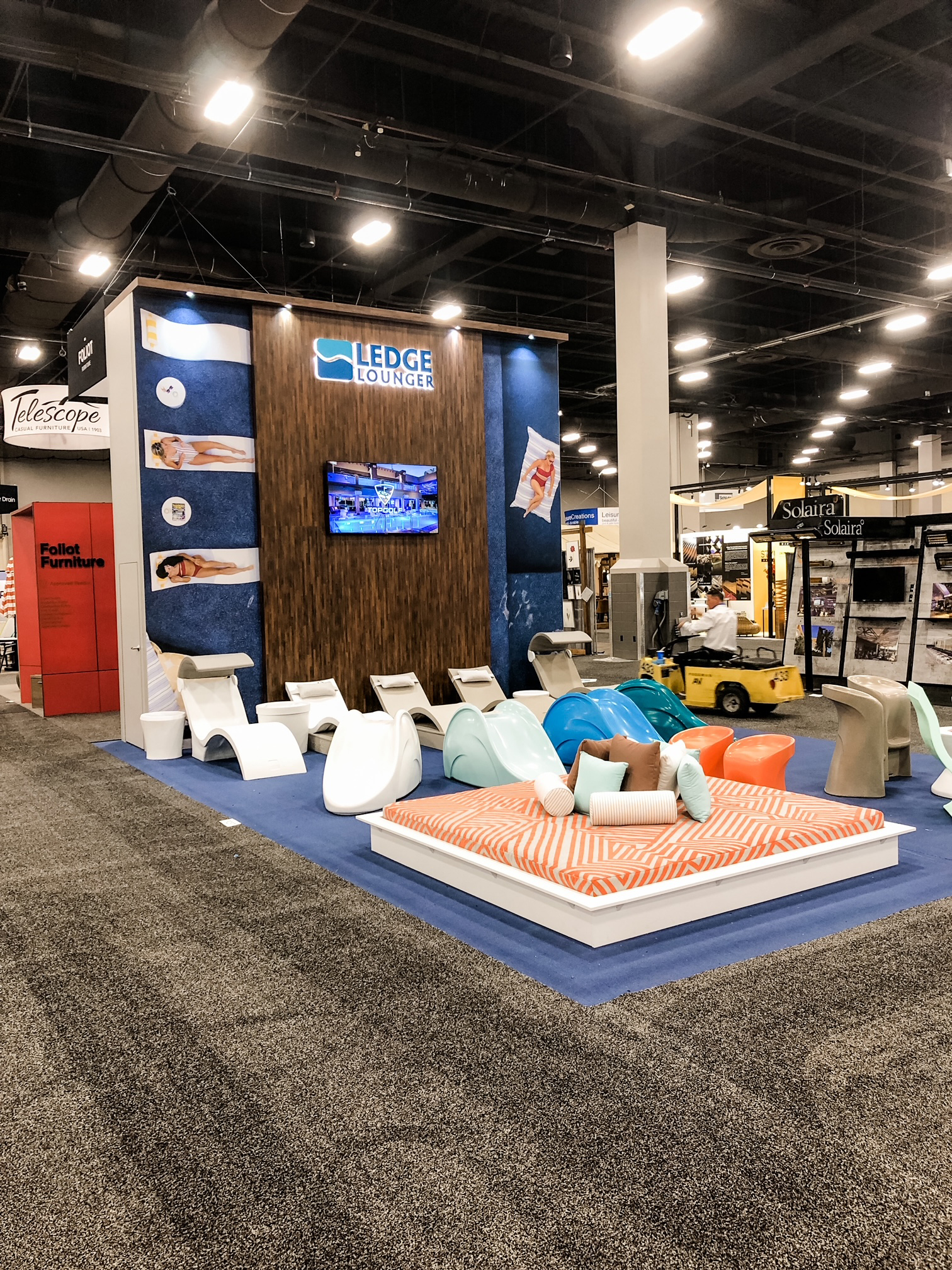
Branded games, demonstrations, photo opportunities, contests, product experiences, and other interactive activities give attendees a reason to participate rather than simply displaying a company logo. Connecting participation to a measurable action such as QR-code engagement, appointment booking, content download, or booth visit allows sponsors to access the success of the sponsorship. Effective event activations bypass superficial giveaways, like standard prize wheels, to connect attendee interactions with corporate messaging, solutions demonstration, or sales funnel conversion.
How to Choose the Right Trade Show Sponsorship
Choosing the right trade show sponsorship requires shifting from picking pre-set packages off a PDF menu to a strategy and objective approach. The right sponsorship aligns with your specific goals, matches attendee journey and needs, and delivers measurable results rather than vague brand awareness.
Establish a decision framework based on audience fit, visibility, exclusivity, engagement, placement, timing, and measurable outcomes. Then request specific details from organizers: attendee reach, placement, estimated impressions, competing sponsors, exclusivity provisions, and included promotional benefits. Finally, inexpensive sponsorships can be tempting, but if they don’t match your goals or targeted audience then consider spending those marketing dollars on a promotion or customizable lead retrieval software.
| Evaluation Factor | Questions to Ask |
|---|---|
| Audience Fit | Does this sponsorship reach our ideal buyers? |
| Visibility | Where and how often will attendees see our brand? |
| Placement | Is the placement located in a high-traffic area? |
| Exclusivity | Will competitors receive the same opportunity? |
| Engagement | Can attendees interact with the brand? |
| Lead Generation | Can the sponsorship drive measurable actions? |
| Cost | What is the total investment beyond the sponsorship fee? |
| Measurement | How will success be tracked? |
How to Maximize a Trade Show Sponsorship Before, During, and After the Event
All too often, exhibitors treat sponsorships as an isolated marketing activity rather than one part of their integrated trade show strategy. By leveraging a sponsorship into their pre-show, event, and post-show strategy, they increase overall attendee engagement and memorability.
Before the Event
The most expensive mistake in trade show marketing is relying on random walk-up traffic. Savvy marketers “priming the pump” by announcing the sponsorship through email, social media, website content, sales outreach, and attendee communications when permitted by the event organizer. The sponsorship serves as a convenient sales and marketing tool to invite prospects to the booth or schedule meetings before attendees arrive. Use this time to train your team on their roles, finalize any deliverables, and establish measurable objectives.
During the Event
This is your time to shine. Start by ensuring your team knows where sponsorship branding appears and the objectives of the sponsorship. If you are running an activation, barista bar, or lounge, attendees will form lines. This is a natural opportunity for soft-touch, casual conversations.
If possible, avoid setting up a hard “badge-scan barricade” at the perimeter of a lounge or hospitality space, which suppresses foot traffic. Instead, use contactless tap-to-connect NFC discs on high-tops, table-tent QR codes linked to exclusive research or tools, or an integrated captive Wi-Fi login portal that captures opt-in business emails.
Finally, create event-specific social content that extends the sponsorship’s visibility beyond attendees physically present at the event.
After the Event
Think of sales leads at trade shows as having the “half life” of week or less. And while speed matters, details matter even more to attendees who assume any post-show interactions are an extension of their conversations at the show. Generic “thank you for attending” emails negate any good will established at the show.
Next, compare sponsorship KPIs against pre-event goals and determine which visibility opportunities generated meaningful engagement. Document results and lessons learned to improve sponsorship selection at future trade shows.
10 Trade Show Sponsorship Mistakes to Avoid
Investing in show sponsorships without a strategy often leads to an expensive spend with minimal sales impact. Here are ten common trade show sponsorship mistakes to avoid:
#1. Buying Passive Visibility Instead of an Experience
Passive banner placements, meter boards, or program guide logos may yield high theoretical impressions but little dwell time. Prioritize sponsorships tied to genuine attendee utility –barista bars, charging zones, Wi-Fi access, or dedicated meeting suites –where your brand solves a real friction point.
#2. Not Allocating Money for Activation and Staffing
A common budget trap is spending 100% on the sponsorship but ignoring activation and staffing for the sponsorship. A standard rule of thumb is the 1:1 activation ratio: for every dollar spent securing the sponsorship package, reserve an additional dollar for the physical build-out, branded disposables, staffing, logistics, and digital capture tech needed to bring it to life.
#3. Failing to Negotiate the Sponsorship with the Organizer
Show organizers know that sponsorships, both the type and cost, are flexible. Instead, negotiate for extras like push notifications in the official show app, opt-in attendee data lists, dedicated social mentions, and category exclusivity.
#4. Not Asking about the Venue Labor, Drayage, and Catering Regulations
Hospitality-driven sponsorships frequently trigger hidden operational costs. Sponsoring a specialty coffee bar or lounge means navigating in-house catering monopolies (Aramark, Sodexo Live!, Levy), dedicated 20–30 amp electrical drop fees, plumbing lines, and union material handling (drayage) to move furnishings from the loading dock to your floor space.
#5. Treating Lounges and Activations as a Forum for Aggressive Sales Pitches
When attendees sit down in a recharge zone or grab an espresso, they are looking for a momentary reprieve from aggressive booth pitches. Stationing aggressive sales reps to hover over resting visitors alienates prospects. Instead, train staff to act as hospitality hosts, letting conversational discovery unfold naturally while queuing or waiting for drinks.
#6. The Disconnected Gimmick Mistake
Interactive activations (claw machines, golf simulators, generic arcade games) that have zero narrative connection to your product attract crowds of non-buyers hunting free swag. An effective activation connects to an attendee’s pain point, diagnostic benchmark, or core product capability so the conversation transitions into sales discovery.
#7. Forgetting Digital Lead Capture at the Sponsorship Asset
If you sponsor a keynote stage, networking reception, or hallway lounge, never rely solely on verbal conversations. Instead, integrate low-friction digital capture such as QR-gated Wi-Fi landing pages, tap-to-save digital resources, or NFC pucks that let visitors claim relevant research or white papers.
#8. Poor Spatial Placement on the Master Floor Plan
Sponsoring an on-floor networking zone or activation area without verifying its exact coordinates can be fatal. If your footprint ends up hidden behind dead-end column blocks, tucked against loading dock egress, or positioned in a low-traffic secondary annex, attendee volume will plummet. Always negotiate footprint placement on the master CAD floor plan before signing.
#9. Neglecting Pre-Show Promotion
Never assume attendees will stumble on your sponsored lounge or reception by chance. Instead, leverage pre-show email outreach, LinkedIn targeting, and the official event app weeks in advance to invite key accounts to book private meeting tables, register for VIP happy hours, or grab exclusive perks at your activation space.
#10. Delayed or Generic Post-Show Follow-Up
The most common failure point happens after teardown. Sending a group email with “Thanks for visiting our booth” template destroys credibility. Ensure your lead management identifies where the interaction occurred (e.g., Executive Lounge Attendee, Barista Line Discovery, Happy Hour Guest) and provide sales reps with that specific information.
Trade Show Sponsorship Ideas by Marketing Goal
| Marketing Goal | Sponsorship Ideas to Consider |
|---|---|
| Maximize Brand Awareness | Lanyards, badges, Wi-Fi, signage |
| Increase Booth Traffic | Interactive activations, event games, sponsored experiences |
| Build Thought Leadership | Educational sessions, speaker sponsorships |
| Encourage Longer Engagement | Lounges, charging stations, hospitality areas |
| Generate Qualified Leads | Interactive experiences, appointment-driven activations |
| Strengthen Product Awareness | Demonstrations, branded experiences, product-specific sponsorships |
| Expand Digital Reach | Social activations, event app placements, digital content sponsorships |
2 Real-World Examples
1. The Hosted Barista & Recharge Hub
- Awareness: High-contrast overhead signage visible across multiple aisles, branded cups carried throughout the convention center.
- Lead Gen: Attendees scan a table-top QR code to view an interactive industry benchmark report while waiting for their drink.
- Pipeline Acceleration: Back-corner acoustic seating allows Account Executives to sit down with high-value prospects away from ambient show noise.
- Thought Leadership: A 10-minute espresso chat hosted every afternoon with your VP of Product discussing emerging trends.
2. Problem-Solving Lab / Diagnostic Station
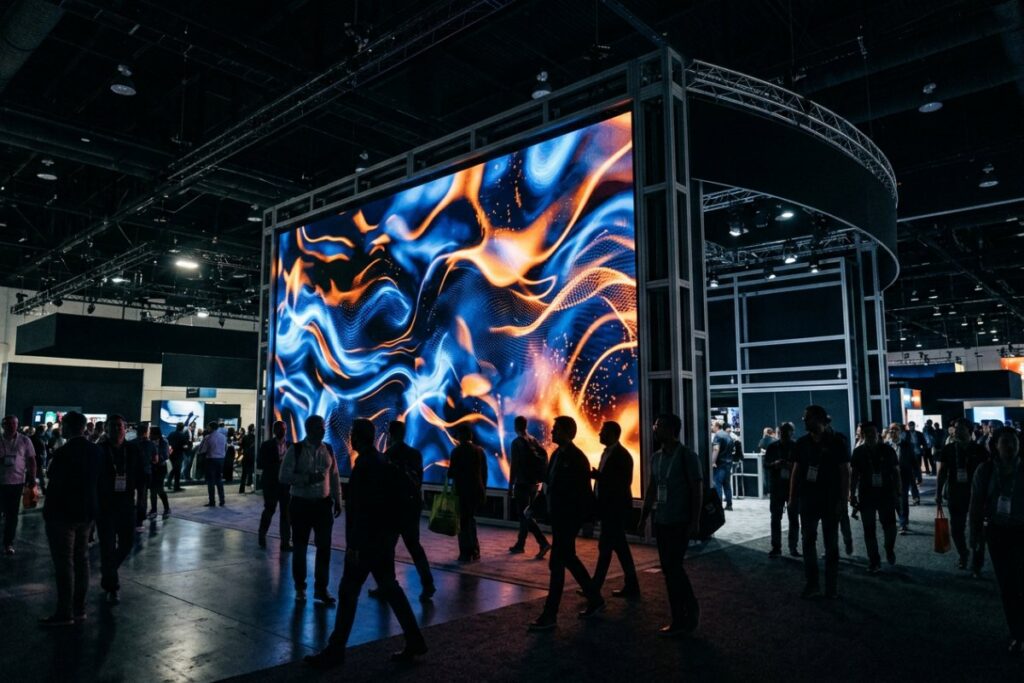
- Awareness: Prominent LED display walls showing real-time aggregate poll or diagnostic results, drawing spectators from the aisle.
- Lead Gen: Attendees complete a 60-second operational efficiency assessment on interactive touchscreens, submitting their work email to receive a customized report.
- Pipeline Acceleration: On-site solution architects review flagged operational gaps live on-screen with qualified buyers, converting theoretical interest into concrete discovery.
- Content Engine: Aggregate diagnostic results are packaged immediately after the show into a proprietary industry trends report used as top-of-funnel nurture
Conclusion
The allure of a trade show sponsorship is irresistible to marketers. It’s one more way to promote your brand. However, effective trade show sponsorship is about more than buying additional logo exposure — it is about creating strategically placed opportunities to make the brand more recognizable and easier to engage with. It’s all about strategy, relevance, and planning. Always do the work; define the objective → identify the audience → evaluate the opportunities → calculate the total cost → develop the activation → integrate the booth → and measure the results.
Classic Exhibits has been designing and building custom, modular, portable, and rental trade show booths since 1993. We’ve been honored as an Exhibitor Magazine Find-It Top 40 Exhibit Producers and an Event Marketer Fab 50 Exhibit Builders multiple times, along with numerous Portable Modular Awards. With over 250 Distributor Partners throughout North America, there’s a Classic Exhibits representative near you.
FAQs
Is trade show sponsorship worth the investment for a small business?
Exhibitors often assume sponsorships are exclusively for companies with islands and large marketing budgets. Yes, those companies often sponsor keynote speakers and receptions, but it’s smaller companies with less name recognition or with new products and services that can benefit the most from a creative, well-executed sponsorship. The key is to select or propose one that matches your strategy and elevates your presence.
How do I negotiate a trade show sponsorship package?
Show organizers rely on sponsorships to pay the bills. They also recognize they don’t have all the answers so are willing to listen to ideas. If you don’t see a sponsorship that matches your goals, then propose one. Also, don’t be shy about asking for ideas about how to increase your visibility if you’re committing to a sponsorship.
Can multiple companies sponsor the same trade show?
Typically, no one company sponsors a trade show, although there are exceptions like an Apple or Salesforce event. More often, a trade show organizer owns the event and multiple companies, who are typically also exhibitors, buy sponsorships.
What should I ask a trade show organizer before buying a sponsorship?
Details about the sponsorship, past performance, and any other branding opportunities they’re willing to include. You don’t want any surprises. Past performance will help you avoid unintended mistakes, and you never get what you don’t ask for.
Can trade show sponsorship help with lead generation, or is it mainly for branding?
Sponsorships are an investment and most investments should have a ROI. Preferably a financial ROI. Why settle for just “branding,” when the sponsorship could generate potential leads and sales?