


For the Classic Designers, delivering a design that meets all the client’s needs — functionally, aesthetically, and fiscally — is the ultimate goal. Collectively, our designers have over 30 years of industry experience designing trade show exhibits and graphics. We understand that most clients are not immersed in exhibit or graphic design, so the process can be challenging. But it doesn’t have to be. We are here to help!
5+ Design Red Flags
Occasionally, we get an ambiguous request that requires Mind Reading. Which is understandable. We all come from different levels of experience. Thankfully, we are pretty good at addressing these requests before they become frustrating for everyone. But… that doesn’t mean there aren’t a few “Design Red Flags.” Here are some we’ve identified over the years.
#1. I Need This by Tomorrow
Good design takes time. Great design takes even more time. Think back to college. Did cramming for that psychology test result in an A? Probably not. There’s a process. Not to mention there are other design deadlines already in the queue. It’s not that we can’t do it if our schedules allow. And we want to, but we want to do it right.
 #2. My Client Wants Five Completely Different Options

Clients like to see options, and this can be achieved by showing them portfolio images, discussing their objectives, and defining a budget. In the end, the client is only going to buy one booth, one that matches their marketing goals and budget. One spectacular design is better than five OK designs, if it is on point and includes revisions. Choose a designer who can delve into the project and deliver exactly what the client needs.
#3. If I Like It I’ll Find the Money to Buy It, So Design with an Unlimited Budget!
No client has a truly unlimited budget. They might have lots of resources, but there will be a limit. Our advice, throw out an exhibit budget number and gauge their reaction: $50,000 for a 10×10? Either they’ll nod and say “Go for it!,” or they’ll take a big gulp and reveal their actual budget — $8K, $15K, $25K. Perfect, now the designer can give the client the best 10×10 they’ve ever seen within their budget.
#4. I’ll Know It When I See It — a.k.a., IKIWISI (pronouced icky wishy)
Design is not a poker game where revealing your hand is a disadvantage. Most clients have an idea of what they want, or at least what they want to achieve. At a minimum, they know their product/service and how it should be presented. Every designer loves the opportunity to be creative, but a guessing game is the exact opposite of creative. Whether you are paying for design or not, there is a cost. The cost can be as simple as frustration, revisions, and unmet expectations.
#4b. You’re the Creative One. Whatever You Think is Best.
This is a version of #4. Yes, we are the creative ones. We are designers and we take pride in that. HOWEVER, everybody is different, we all have our likes and dislikes. While we want to use our creativity to reflect your likes and dislikes, we can’t if we don’t know you or what you want.
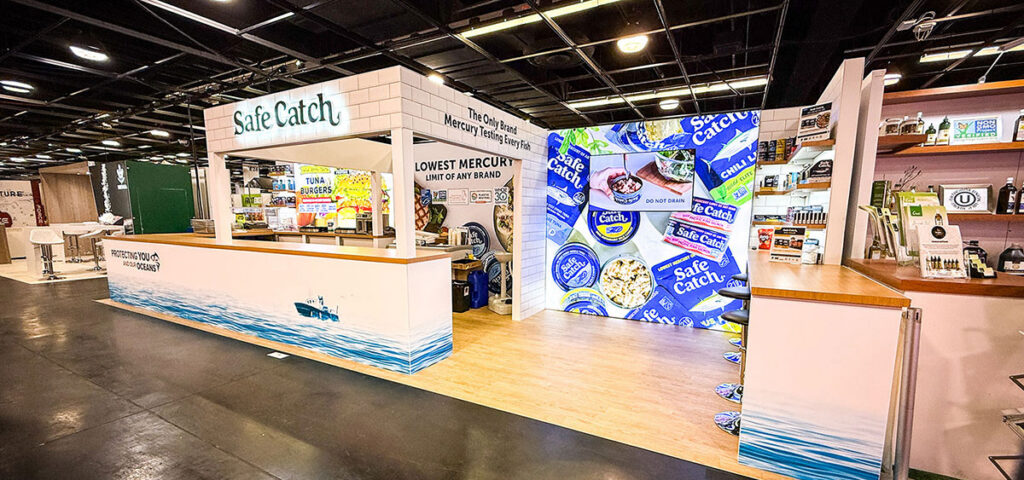
#5. The Client Wants a Rental, But I’d Like to Show Them a Purchase Option
We understand the motivation. A purchase is more expensive than a rental. But it’s not a very good sales strategy. It’s another way of saying, “I don’t really know what my client wants so I’ll give them multiple options.” See Red Flag #2 above. Designers like to design, but what often gets forgotten is that designers want their designs to sell. We want our work to mean something, to come to fruition. When our designs sell, it validates our talent and our efforts.
So what’s the exact opposite? Clear communication and specific goals. At Classic Exhibits, we want you to succeed. We know you don’t live in exhibit design every day, so the process can frustrating. We also know that your best path is to work with industry professionals and to tap into Exhibit Design Search for ideas. Exhibit Design Search is a terrific place to see ideas and price points.
Three Keys to a Winning Design and a Happy Customer
A truly successful exhibit should look spectacular to your prospects, operate flawlessly for your booth staff, and respect your bottom line. When design and logistics align, you walk away from the show floor with a pile of qualified leads and zero budget surprises. And it all starts with these three key steps:
- Understand Your Trade Show Goals and Have a Budget in Mind.
- Work with a Trade Show Professional Who Can Guide You.
- Whenever Possible, Communicate Directly with the Designer.
Best of all, no nightmares . . . for you or for your very favorite designer. Have questions about exhibit design, give us a call or send us an email.
About Classic Exhibits
Classic Exhibits has been designing and building trade show exhibit solutions since 1993. We’ve been honored as an Exhibitor Magazine Find-It Top 40 Exhibit Producers and an Event Marketer Fab 50 Exhibit Builders multiple times. Along with numerous Portable Modular Awards. With over 250 Distributor Partners throughout North America, there’s a Classic representative close.
Contact us today whether you need a durable hand sanitizer stand built to last, a rental display guaranteed to attract trade show attendees, or a custom 30 x 40 exhibit with all the bells and whistles. We’re not just different. We’re better.