

What You Need to Know About Shipping Trade Show Crates

When you purchased your custom or modular trade show exhibit, you probably didn’t give much consideration to shipping or the wood crate(s). After all, it’s just a wood crate, right? What could go wrong during long interstate shipments, casual forklift handling, and untrained show labor to your very expensive and stunning beautiful trade show exhibit?
The answer is… a lot. Exhibit crates and roto-molded cases are generally well-designed and durable. Your exhibit provider builds and packs hundreds if not thousands of exhibits every year. However, you shouldn’t assume every exhibit house has the same commitment to quality and packing efficiently. Some are amazing. Others are simply OK.
Knowing the difference, asking questions, and taking responsibility for your crates will go a long way toward ensuring your exhibit packs in the fewest number of crates/cases, arrives safely, and minimizes your labor costs at the show.
Understanding Trade Show Crates: The Essentials
Essentially, trade show wood crates are glued and screwed boxes constructed with plywood. The type of plywood varies by builder but birch plywood is common. Some are tall and square. Others are shorter and long. The size depends on the exhibit components and the preference of the builder.
Most crates have some internal jigging, like shelves or compartments. These allow for greater space utilization and protect the contents from shifting during shipping. Doors vary by builder even more than the basic construction. Some have heavy-duty latches. Others rely on bolts and wing-nuts. Still others use flexible cables and basic catches. Horizontal crate designs often include hinged doors for convenient access on the longer side.
Nearly all crates have wood skids on the bottom. This makes it much easier for forklifts and pallet jacks to lift and transport them, and hopefully minimize damage.
The video below shows how smaller crates are built, but the basic construction is the same for all sizes of crates.
Trade Show Shipping Crates: Maximizing Protection and Efficiency
Well-constructed wood crates are designed to protect your exhibit during shipping and maximize the available space to minimize your total crate count. Minimizing your crate count will reduce your overall shipping and drayage charges. Exhibit builders know those charges are pain points for their clients and work hard to reduce those costs.
If you’ve ever played Jenga, you’ll understand the challenge of designing a crate that’s both the right size and shape and designed to maximize interior space. There are two major challenges: (1) ensuring the individual components don’t move during shipping, and (2) preventing components from rubbing against one another or the crate. That’s when damage occurs. As a result, you’ll often see a series of vertical and/or horizontal dividers built to isolate the components. Those dividers may have jigging blocks as well to secure the components.
Some exhibit builders, like Classic Exhibits, go one step further and cover the crate, dividers, and jigging with a soft but durable fabric similar to a felt material. This not only provides an extra layer of protection, but it also reduces movement (and rubbing) during transit.
Why There’s No Such Thing as a Standard Crate:
Selecting the Right Trade Show Shipping Cases
Cases, unlike crates, are designed primarily for lightweight portable displays. Trade show shipping cases are essential for protecting your valuable displays and promotional materials during transport to and from trade shows. With a variety of factors to consider, choosing the right case can seem daunting. In most cases, the manufacturer will have already selected the ideal shipping case for your display, but if you are choosing one based on several choices, consider the following.
Types of Trade Show Shipping Cases
- Hard-shell Cases: These cases are typically made of durable plastic or aluminum and offer the most protection for your belongings. They are often watertight and dustproof, making them ideal for delicate items. Hard-shell cases frequently come with wheels and handles for easy transport.
- Soft-shell Cases: These cases are lighter and more portable than hard-shell cases, but they don’t offer the same level of protection. They’re a good option for lightweight displays or for displays that can be broken down into smaller components. Soft-shell cases may also come with wheels and handles.
Choosing the Right Size Case
- Measure Your Display: The first step is to measure your display to ensure the case you choose is large enough. You’ll need to consider the length, width, and height of your display, as well as any additional items you need to pack, such as brochures or tabletops.
- Allow Extra Space: It’s always best to err on the side of caution and choose a case that is slightly larger than your display. This will give you extra room for packing materials and padding.
Additional Considerations
- Weight: Consider the weight of your display and choose a case that can accommodate it. Cases often have weight capacity limits.
- Wheels and Handles: Look for a case with wheels and handles for easy transport, especially if you’ll be transporting your display yourself.
- Padding: If your display is fragile, you’ll need to choose a case that comes with padding or purchase padding separately. Padding will help to absorb shock and vibration during transport.
- Security: If your display contains valuable items, you may want to choose a case with locking latches.
By considering these factors, you can choose the right trade show shipping cases to protect your investment and ensure your display arrives at the trade show in perfect condition.

Notification Regarding Forward Air
“One of the nation’s largest wholesale providers of LTL ground expedited services, Forward Air, has announced major changes to their service offering, effective August 1, 2021. The overwhelming majority of our freight providers utilize Forward Air for their point-to-point linehauls for their client’s needs.
Effective August 1, Forward Air will no longer accept shipments that are not skidded or crated, and they will no longer accept shipments that are over 96” L or 96 H. The rationale and reasons for this industry change are lengthy, but the major driving force is simply the overwhelming amount of freight traversing the United States and the overall lack of capacity from a labor and trucks on the road.”
What Does This Mean?
- There will be very large “oversized” charges issued to shipments that are longer or higher than 96 inches. Meaning higher freight prices.
- In our opinion, Dedicated Shipments are the safest way to plan for these shipments. Plus, it helps to ensure a timely delivery.
Trade Show Shipping Containers: Understanding Sizes and Limitations
Thankfully, most of us are blessed with a knowledgeable Shipping Department that handles these details. Or, we rely on our exhibit house to make the freight arrangements. However, knowing what is and isn’t permissible goes a long way toward understanding whether your shipment can be handled by a freight carrier or FedEx/UPS.
LTL and FTL
LTL (less than loaded) and FTL (full loaded) trailers typically use the same size trailers. Here are the interior dimensions of both:
- Length: 48 ft. – 53 ft. (14.6 m – 16.1 m)
- Width: 8.5 ft. (2.6 m)
- Height: Interior heights can vary depending on the trailer type, but common heights are:
- Rear: 10 ft. (3.0 m)
- Center: 11 ft. (3.3 m)
- Front: 12 ft. (3.6 m)
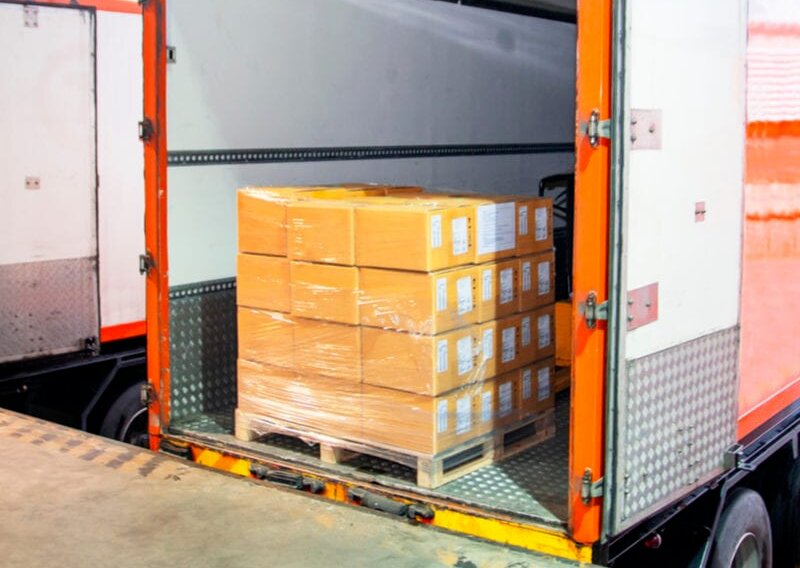
Door opening dimensions are also important to consider when shipping freight via LTL. Industry-standard roll-up door dimensions are:
- Width: 96 in. (2.4 m)
- Height: 96 in. (2.4 m)
This means that individual pieces of freight for LTL shipment should ideally be no more than 94 inches tall and wide to fit through the door comfortably.
The maximum dimensions for UPS and FedEx packages depend on the service you choose and whether the shipment is domestic or international. Here’s a breakdown:
UPS
- Maximum weight: 150 lbs (68 kg)
- Size Limits:
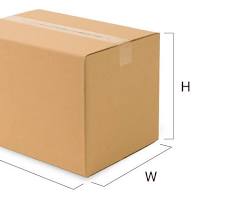
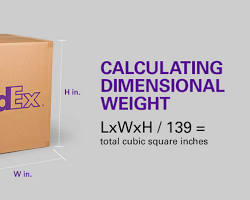
- Combined length and girth: 165 inches (419 cm). Girth is calculated by adding the width and height of the package and multiplying by two (2 x width + 2 x height).
- pen_spark
- Length: Up to 108 inches (274 cm)
FedEx
- Maximum weight: 150 lbs (68 kg)
- Size Limits:
- Domestic:
- FedEx Express U.S. services: Up to 119 inches (302 cm) in length and 165 inches (419cm) in length and girth.
- FedEx Ground® and Home Delivery® Services: Up to 108 inches (274cm) in length and 165 inches (419cm) in length and girth.
- International:
- FedEx Express international services: Up to 108 inches (274cm) in length and 130 inches (330cm) in length and girth.
- Domestic:
Important Notes:
- Packages exceeding these limits may require special handling or freight shipping, which can be more expensive.
- Always check with UPS or FedEx for the latest size and weight restrictions before shipping.
Trade Show Shipping: Planning for Timely and Cost-Effective Delivery
This won’t come as a surprise to you but planning and preparation are the keys to a stress-free and cost-effective shipment. And, unlike other shipments, you’ll need to arrange for shipping to and from the venue. That’s often overlooked by exhibitors, who then scramble to arrange shipping on the last day of the show. Which is anything but stress-free.
Here’s a breakdown of how to plan for a smooth trade show exhibit shipment:
Early Bird Gets the Booth:
- Start Early: This is the golden rule! The earlier you plan, the more options you have for carriers and potentially better rates. Many venues have deadlines for receiving shipments in advance warehouses, so give yourself ample buffer time.
Know the Show, Know the Shipment:
- Show Requirements: Every trade show has its own guidelines for shipping and receiving exhibits. Dig into the exhibitor manual provided by the organizer. This will outline critical details like:
- Deadlines for advance warehouse storage vs direct-to-show delivery.
- Designated shipping addresses for warehouses or the venue.
- Any weight or size limitations for booths.
- Rigging or special handling needs for complex displays.
Choosing Your Carrier:
- Research and Compare: Look for reputable carriers experienced in trade show shipping. They’ll understand the time-sensitive nature and potential complexities of exhibit transport.
- Consider carriers recommended by the venue itself.
- Get quotes from multiple carriers comparing factors like price, service offerings (tracking, insurance), and transit times.
Labeling and Documentation:
- Clear and Conspicuous: Clearly label every box or crate in your shipment with:
- Your company name and contact information
- Trade show name and location
- Booth number
- Content description (e.g., “Display Panel A”, “Brochure Box”)
- Documentation in Order: Have all necessary paperwork readily available:
- Bill of lading (receipt for your shipment from the carrier)
- Commercial invoice (details the value of your goods for customs purposes if shipping internationally)
- Insurance documentation (if you opted for additional coverage)
Double-Check and Breathe Easy:
- Confirm Everything: Double-check all your arrangements before the shipment leaves. This includes confirming arrival dates with the venue and ensuring the carrier has the correct address and contact information.
- Relax and Focus on Success: With a well-planned and executed shipment, you can focus on what truly matters – showcasing your brand and making connections at the trade show!

Have More Questions About Trade Show Crates & Shipping?
Protective crating and casing should be one less thing you have to worry about when purchasing a new trade show display. No builder in the exhibit industry builds better packaging solutions than Classic.
Classic Exhibits has been designing and building trade show exhibit solutions since 1993. We’ve been honored as an Exhibitor Magazine Find-It Top 40 Exhibit Producers and an Event Marketer Fab 50 Exhibit Builders multiple times. Along with numerous Portable Modular Awards.
With over 200 Distributor Partners throughout North America, there’s a Classic representative closer by. Contact us today whether you need a durable hand sanitizer stand built to last, a rental display guaranteed to attract trade show attendees or a custom 30 x 40 exhibit with all the bells and whistles. We’re not just different. We’re better.