

Your Booth Isn’t for You: Designing for the People Walking By
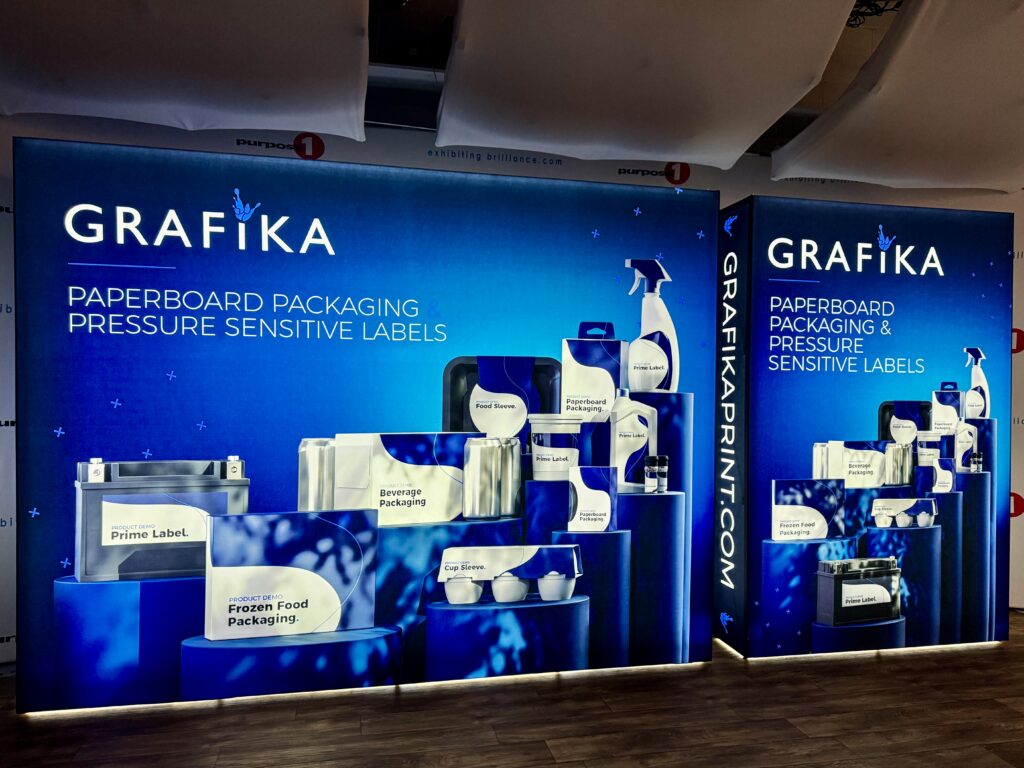
Every trade show booth starts the same way: a room full of stakeholders with opinions. Someone loves a certain color. Someone wants the logo bigger. Or someone saw a competitor’s booth last year and wants “something like that, but better.” None of these instincts are wrong, exactly — they come from people who care about how their brand shows up. But there’s a question that often gets skipped in that conversation, and it’s the only one that actually determines whether the booth works: will this get a stranger to walk over?
That’s the gap between a booth that looks good and a booth that performs. Closing it doesn’t mean throwing out personal taste. It means putting it in its proper place — as one input among several, not the only one that matters.
Personal Preference Is a Real Input — Just Not the Only One
Stakeholders should care about how a booth looks. It’s a direct reflection of the brand, and on a show floor full of competitors, appearance genuinely matters. The problem isn’t that people have opinions about trade show booth design. The problem is when “I like this” and “this will work” get treated as the same question.
They’re not. “Do I like this” is about taste, memory, and identity — it’s shaped by what feels premium, modern, or true to the brand as the people inside the company experience it every day. “Will this work” is a completely different question, and it’s answered by strangers who’ve never seen the brand before, have sixty other booths competing for their attention, and are making a stop-or-keep-walking decision in the time it takes to cross an aisle.
A good trade show display has to satisfy both questions. But when a design decision has to choose between them, the second one should usually win — because a booth nobody stops at doesn’t get the chance to represent the brand at all.
The 50-Foot Test
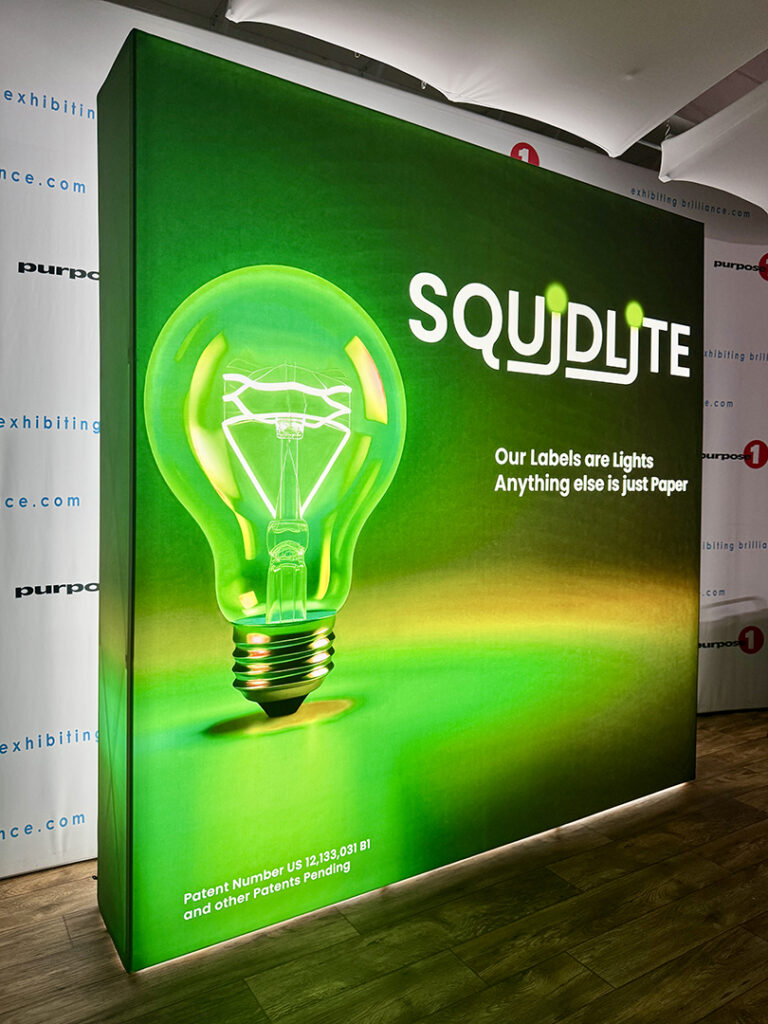
Here’s where a lot of well-intentioned booth design goes wrong: it’s evaluated at the wrong distance. A rendering on a laptop screen, a mockup pinned to a conference room wall, a walkthrough at eye level in an empty showroom — none of these match the conditions the booth will actually be judged under.
On the show floor, your booth is competing with dozens of others, aisle noise, overhead lighting, and attendees who are tired, overstimulated, and moving fast. A subtle color palette that reads as sophisticated in a boardroom can disappear entirely from fifty feet away. Fine typographic details that look elegant up close become illegible blur at a distance. Design choices that feel refined in isolation often just feel invisible in context.
This is why exhibit design should always be pressure-tested from realistic viewing distances and angles — not just approved from a screen. Before finalizing any design, it’s worth asking: if I saw this from across a crowded hall, with twenty other booths in my peripheral vision, would it catch my attention at all?
Clarity Beats Cleverness
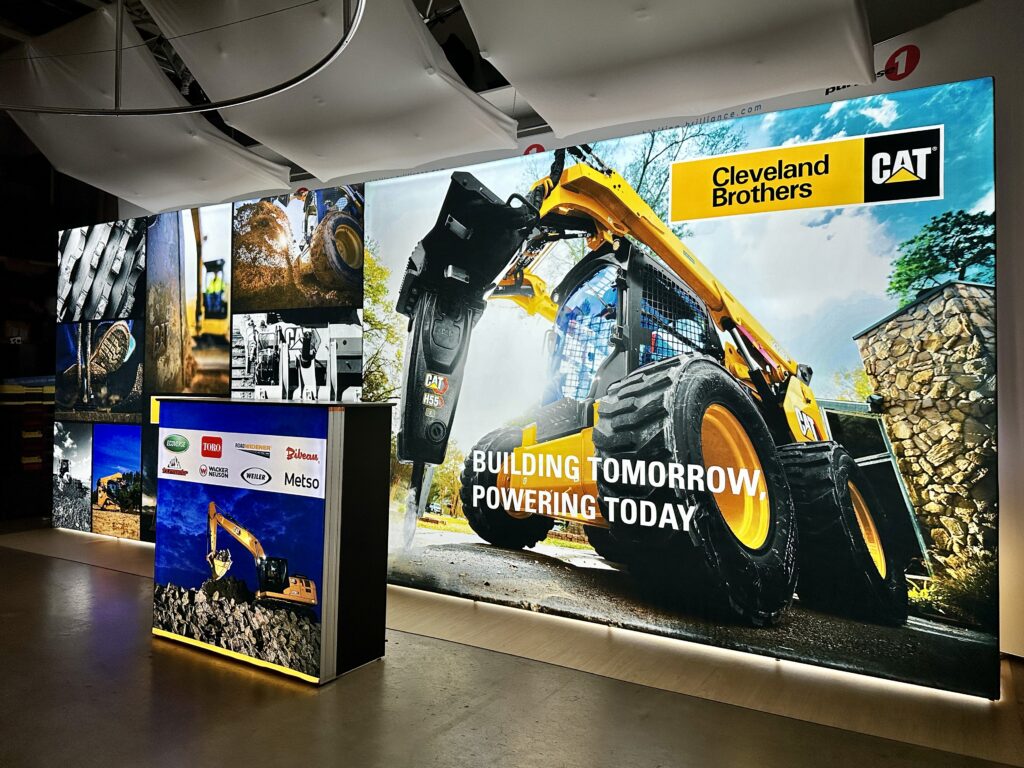
Attendees make their approach-or-pass decision fast — often in just a few seconds. That means the booth’s most important job isn’t to be admired. It’s to be understood, instantly, by someone who has no context and no time.
This is different from a branding problem. It’s a hierarchy problem. If a visitor can’t tell what your company does or sells within a glance, the booth has already failed at its primary job, no matter how well-designed it is otherwise. The strongest trade show booths lead with one clear message — not five ideas competing for space, not a wall of small text, not a design so abstract it requires explanation.
A useful exercise: cover every element of a booth design except the largest single piece of messaging. Does that one element alone communicate what the company does? If someone would need to walk closer, read three lines of text, or ask a booth staffer just to understand the basics, the hierarchy needs work — regardless of how attractive the individual pieces are.
Match the Booth to the Goal, Not the Trend
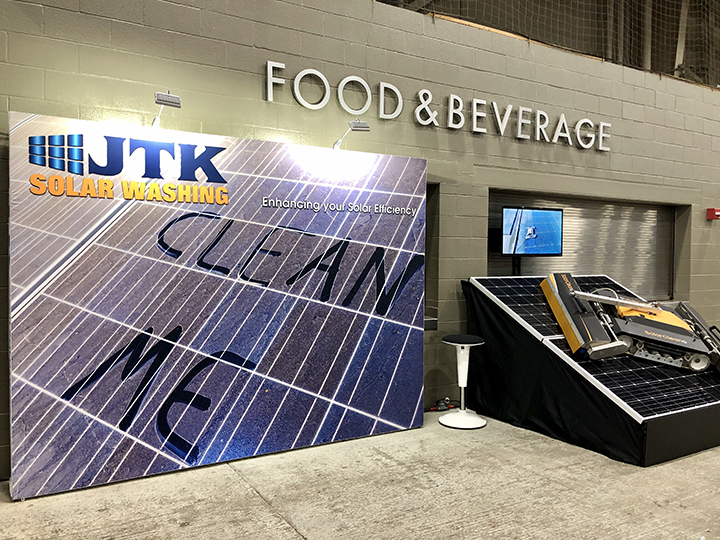
Not every booth should look the same, because not every booth is trying to do the same job. A booth built to generate brand awareness at a massive industry show has different priorities than one built to capture qualified leads, and both look different from a booth designed around live product demonstrations.
Trend-chasing is one of the easiest ways to lose sight of this. A style that worked well for another company’s goals doesn’t automatically translate to a different set of objectives — an open, high-visibility layout that’s great for foot traffic and brand exposure might work against a company that actually needs quiet, private space for longer sales conversations. A sleek minimalist structure might photograph beautifully but leave no room for the product demo area a sales team actually needs.
Before any visual direction is chosen, it’s worth defining, in plain terms, what the booth needs to accomplish at this specific show. Is the priority walk-up traffic volume? Qualified conversations? Live demonstrations? Brand recognition among a niche audience? The goal should shape the design — not the other way around.
Why This Matters for Trade Show ROI
Trade show budgets are significant — booth design, travel, shipping, staffing, and floor space all add up quickly. That investment only pays off if the booth actually generates conversations, leads, and follow-up opportunities. A booth that’s beautifully designed but overlooked by attendees isn’t a design success; it’s a missed return on a sizable spend.
This is why “will this get someone to walk over” deserves as much weight in the decision-making process as “do we like how this looks.” Every dollar spent on a display is ultimately a bet on foot traffic. A booth that photographs well but doesn’t stop anyone on the floor is a booth that quietly underperforms its budget, even if no one in the room notices until after the show, when the lead count comes in lower than expected.
Thinking about trade show booth design through this lens also makes it easier to have the internal conversation about trade-offs. Instead of framing a design change as “we’re overriding what you like,” it can be framed as “we’re protecting the return on what we’re spending” — a shift that tends to lower the emotional stakes of the conversation considerably.
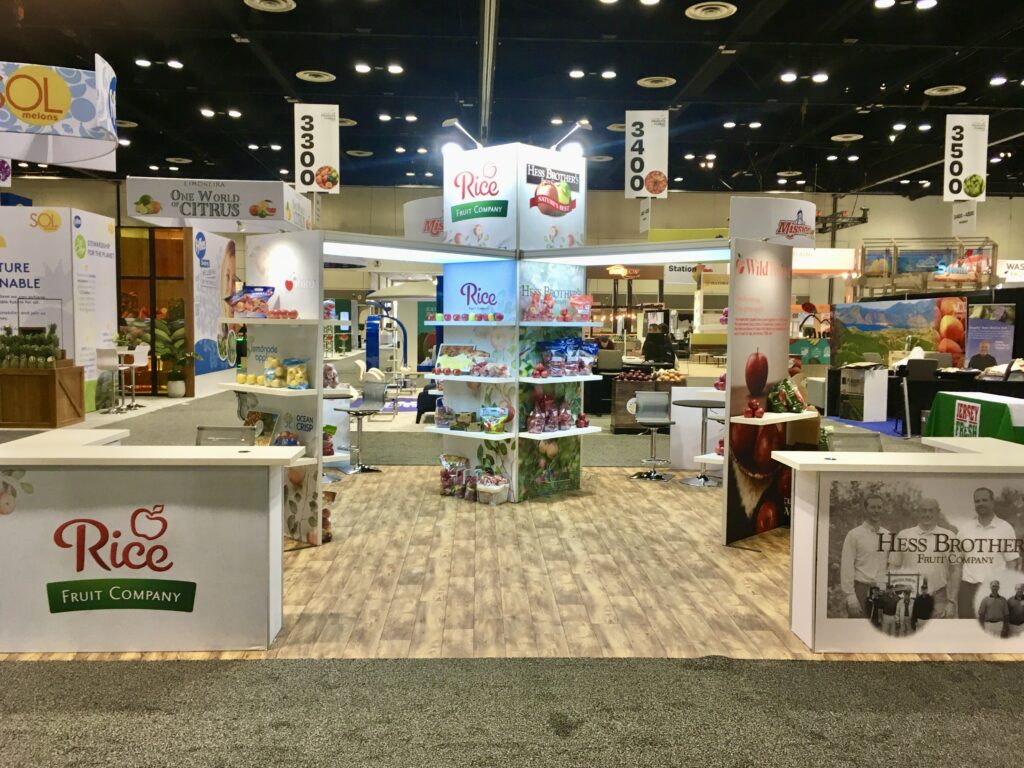
The Gut-Check Questions
Before locking in a trade show booth design, it helps to step back from personal preference and run it through a short, honest checklist:
- Would a stranger with zero context understand what we do within a few seconds of walking by?
- Does this design still read clearly from fifty feet away, in a crowded, noisy hall?
- Is this choice serving our actual goal for this show — traffic, leads, demos, or brand awareness — or is it just what we personally find appealing?
- If we removed our logo and company name, would the design still tell someone what industry we’re in?
- Would this stand out, or blend in, next to the booths we’ll realistically be next to?
None of these questions dismiss taste or personal investment in the brand. They just add a second filter — one based on how real attendees behave on a real show floor, rather than how a design feels in a quiet room.
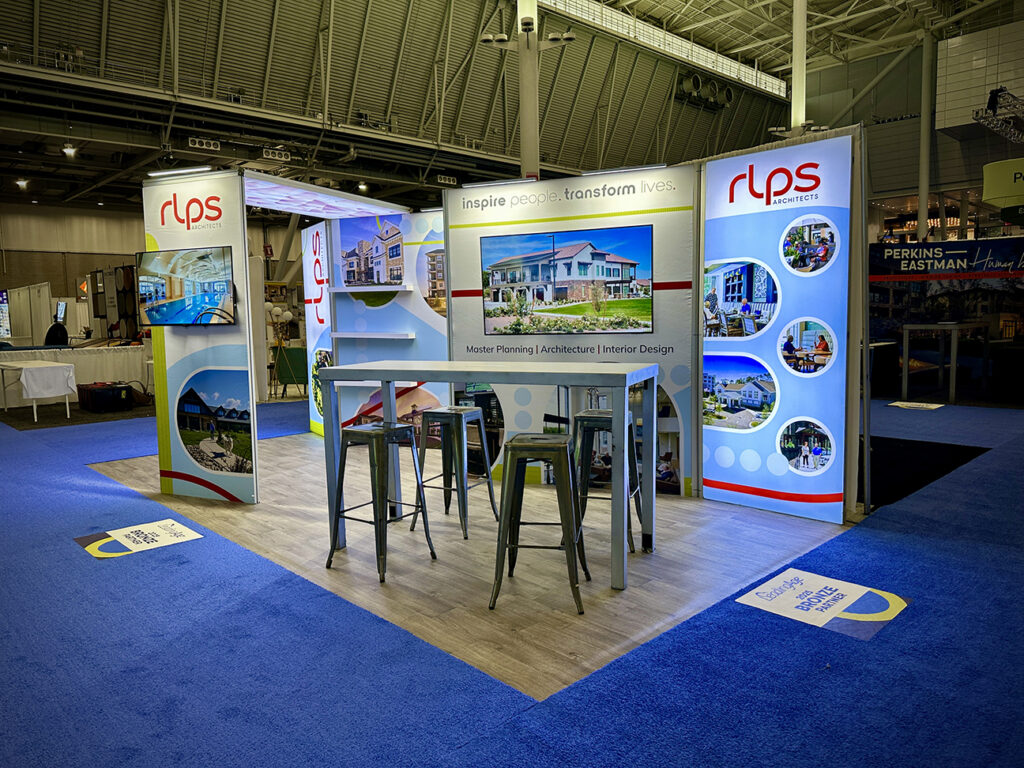
Where Taste and Performance Meet
The best trade show booths aren’t the ones that ignore personal preference — they’re the ones where personal preference and performance point in the same direction. That takes intention. It means asking not just “do we like this,” but “will this work for the people we’re trying to reach,” and being willing to let the second question guide the harder calls.
That’s where working with an experienced exhibit design partner makes the difference. A good partner doesn’t dismiss what a client loves about their brand — they translate it into something that also earns a second look on a crowded show floor. The goal was never to choose between a booth that looks good and one that performs. It’s to build one that does both, because that’s the only kind of booth that actually pays off.
Guest Post: Kaitlyn Treaster, Purpose1
About Purpose1
Purpose1, a Classic Exhibits Distributor Partner, is a boutique agency that creates extraordinary exhibits. We offer design, construction, rentals, management, distribution services and onsite installation support that consistently exceed our clients’ expectations.
Our team is passionate about what we do, and our years of experience provide us with knowledge and access to resources to meet the many challenges that arise with trade shows. Our customers agree that our exhibits deliver impact on the show floor.