

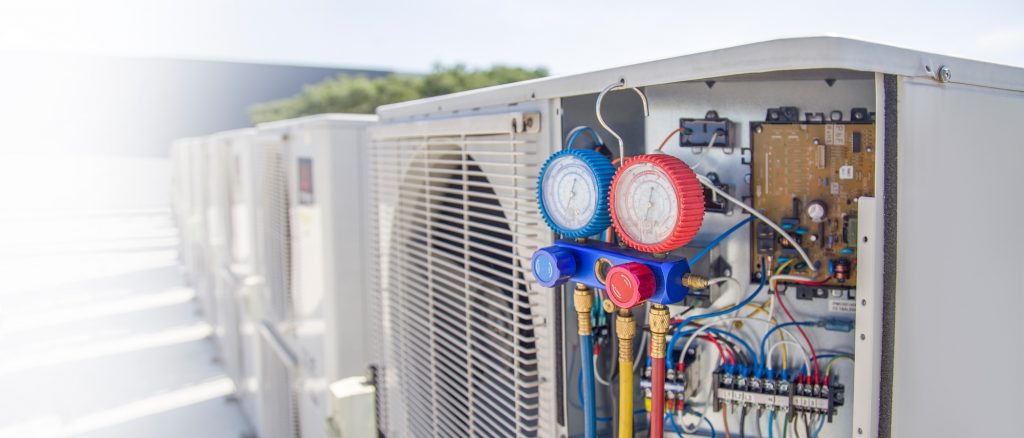
Whether you’ve attended 5 or 50 trade shows, you already know that HVAC trade shows are important to growing your business and advancing your professional education. The industry is changing rapidly and trade shows are hubs for meeting with residential and commercial HVAC companies like Carrier, Trane, Lennox, and Rheem and learning about the latest automation from companies like Honeywell, Johnson Controls, and Belimo. Plus, advancements in building technology, energy efficiency, and smart controls, along with new testing equipment and refrigerants, require HVAC professionals to be at the top of their game.
In this post, we’ll review what exhibitors need to know at these shows and how they maximize their trade show ROI by developing a compelling trade show strategy, scheduling meetings with attendees, participating in educational sessions, and networking with colleagues and industry experts. Trade show trends continue to change and knowing what works and what doesn’t will elevate your overall success (and increase your sales).
HVAC Trade Shows: What Exhibitors Need to Know
Bottom line: 50% of your success comes down to a solid strategy and meticulous planning.
Trade show marketing is marketing… but a very specialized form of marketing. That’s where most exhibitors stumble. They treat it the same as creating a sales catalog or a website or even a webinar. All of these require planning and a strategy, but trade show marketing is like juggling 5 balls while riding a bike on a gravel road over three months. All while managing a team, scheduling meals, travel, and services, and designing the bike. Past experience makes the task much easier, whether you already have that knowledge or you’re smart enough to tap into the hard-earned experience of others.
The Basics:
Before the Show:
- What do you want to achieve? Generate leads, increase brand awareness, launch a new product, network with distributors, gather market research, or close sales? Having clear objectives will guide your planning and execution.
- Understand who attends the specific trade show. Tailor your messaging, booth design, and product demos to resonate with the expected audience (e.g., contractors, engineers, wholesalers, facility managers).
Booth Design and Logistics:
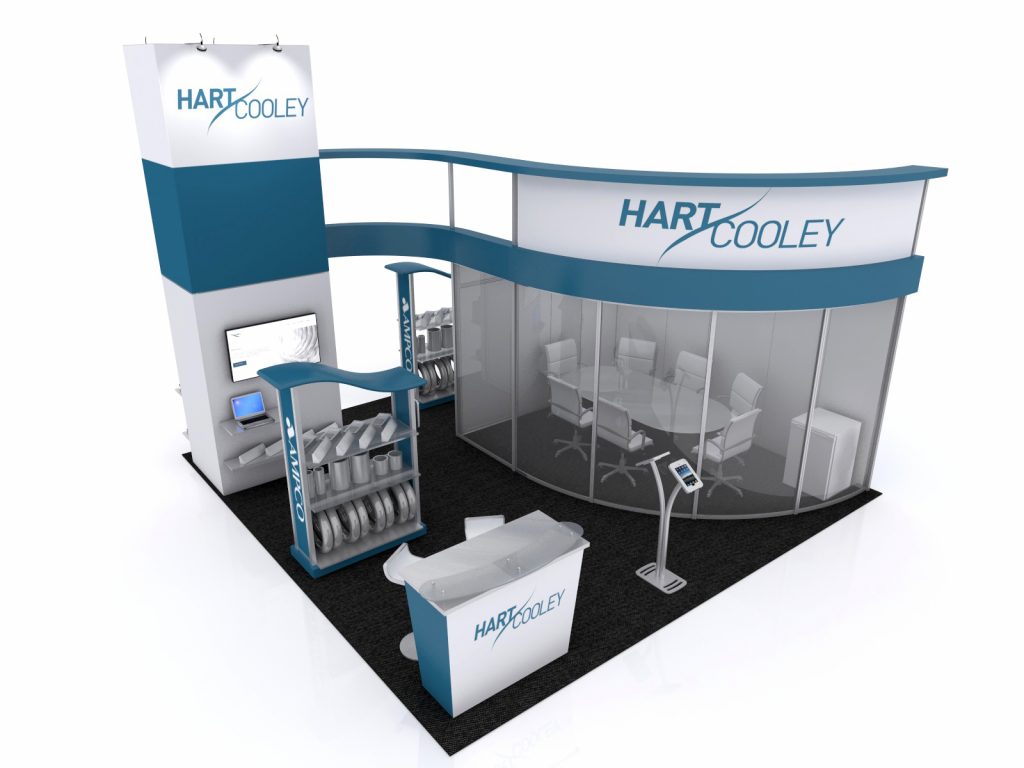
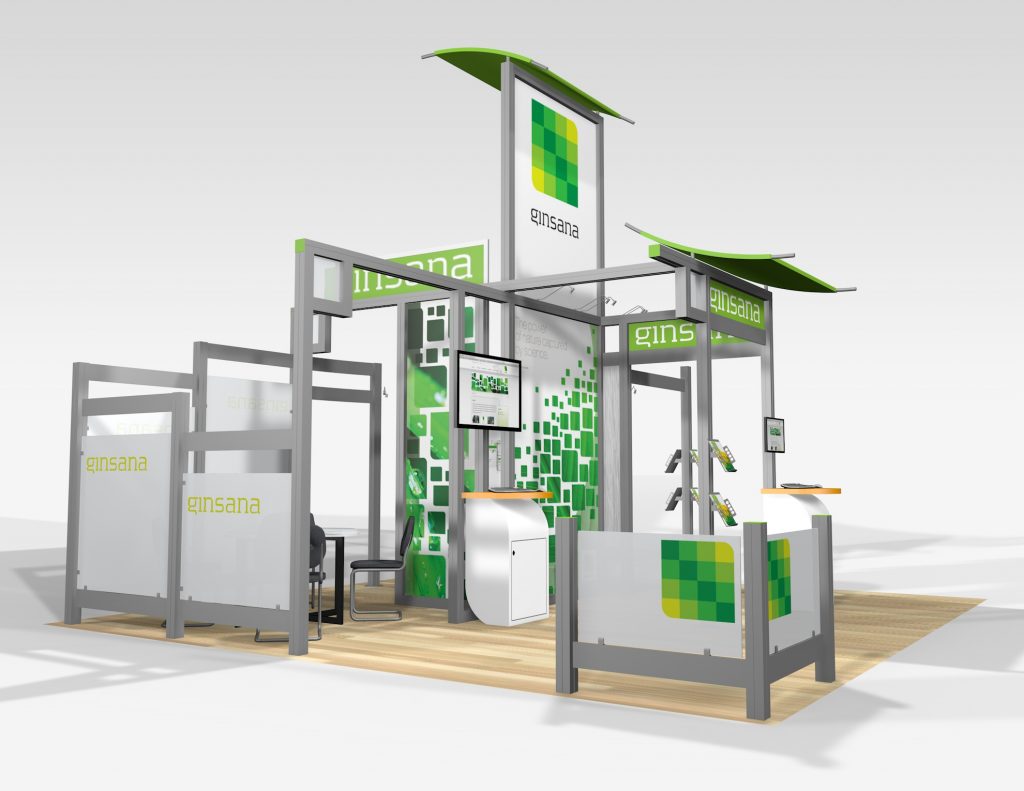
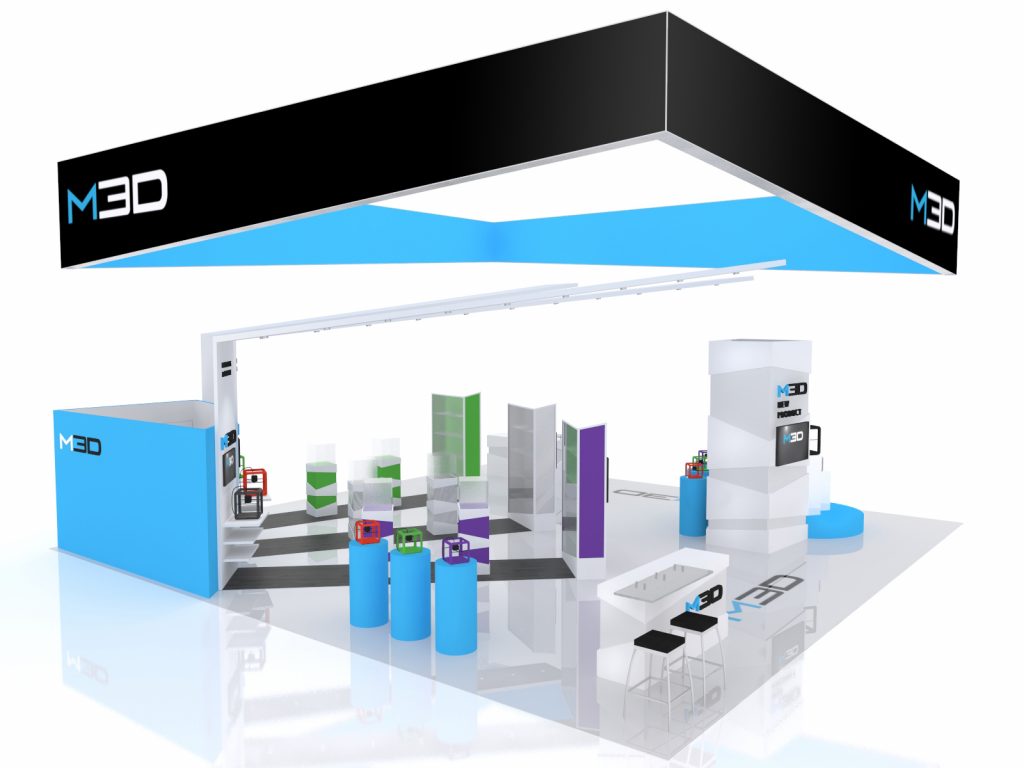
- Invest in a visually appealing and functional booth that reflects your brand and highlights your key offerings. Consider banners, lighting, interactive displays, and comfortable meeting areas. For brands looking to stand out, custom trade show exhibits offer a tailored approach that aligns your booth design with your goals, audience, and messaging strategy.
- Choose a size that accommodates your needs and allows for product demonstrations and visitor interaction. Plan the layout for optimal flow and engagement.
- Understand the show’s rules and deadlines for booth setup, dismantling, and material handling
- Utilities: Order show services like electricity, internet, and water in advance.
Marketing and Promotion:
- Announce your participation through email marketing, social media, and your website. Consider offering exclusive show promotions or previews.
- If you have newsworthy announcements, reach out to industry publications and media outlets attending the show.
- It’s a team effort. Involve sales, customer service, purchasing, finance, etc. in promoting your trade show marketing efforts. Their contacts also attend the industry trade show.
Staffing:
- Select enthusiastic and well-trained staff who can effectively communicate your products’ features and benefits, answer questions, and engage visitors.
- Clearly define roles for booth staff (e.g., product demos, lead capture, general inquiries).
- Conduct product and booth training before the show and answer any questions about their responsibilities throughout the event.
During the Show:
- Showcase your products in action whenever possible. Highlight key features and benefits relevant to the audience.
- Have a system in place to efficiently collect leads (e.g., using lead retrieval scanners, business card collection, digital forms). Define the relevant information your team needs to capture from attendees.
- Engage with other exhibitors, attendees, and potential partners. Attend industry events and social gatherings associated with the show.
- Post updates and photos from the show on your social media channels. Encourage visitors to tag you.
- Have team meetings before the show opens and after the show closes to discuss the day and to prepare for the next day.
After the Show:
- Promptly follow up with the leads you collected. Personalize your communication based on the conversations you had.
- Evaluate the success of your participation based on your initial goals. Track the number of leads generated, media mentions, sales inquiries, and brand awareness.
- Calculate the return on your investment by comparing the costs of exhibiting with the value of the leads and opportunities generated.
- Gather feedback from your booth staff to gather their insights and feedback on what worked well and what could be improved for future shows.
- Based on your experience, start planning for future HVAC trade shows, incorporating lessons learned and identified areas for improvement.
With careful planning and execution, exhibitors can maximize their impact and achieve their objectives at their HVAC trade shows.
Lessons from HVAC Trade Shows 2025
Long gone are the days when trade show exhibitors could “show up” and “show off.” Attendees expect more, much more. Not only should the exhibitor have extensive knowledge about their product or service, but they should also demonstrate it in a way that’s informative and entertaining. Trade show attendee are looking for exhibitors who can provide them with valuable information, demonstrate their expertise, offer solutions to their needs, and create a positive and engaging experience.
Six Lessons
1. Experiential Marketing Takes Center Stage:
- Immersive Storytelling: Brands will focus on creating experiences that bring their stories to life, fostering deeper connections with attendees.
- Multi-Sensory Activations: Engaging all senses (sight, sound, touch, smell, taste) will become more prevalent to create memorable and impactful experiences for diverse learners.
- Hyper-Interactivity: Moving beyond passive participation, events will encourage attendees to play, explore, and compete through hands-on engagement and gamification.
- Tangible Experiences: In a digital world, tangible and real-world interactions will stand out, with a focus on craftsmanship, intentionality, and presence.
2. Technology Integration for Engagement and Efficiency:
- AI-Enhanced Personalization: AI will be used to create more tailored experiences based on real-time data and facial recognition.
- Augmented Reality (AR) and Virtual Reality (VR): These technologies will unlock new dimensions for product demonstrations, interactive storytelling, and immersive brand experiences, extending beyond physical booth limitations.
- Hybrid Events Evolve: Brands will move beyond one-off events to create long-term engagement strategies that seamlessly integrate in-person experiences with digital interactions, fostering “experiential ecosystems.”
- Smart Booth Design: Expect interactive elements like touch screens, digital signage for dynamic content, and AR overlays to enhance engagement and personalization within the physical space.
3. Sustainability:
- Eco-Conscious Practices: Exhibitors will increasingly prioritize sustainable materials, reduce waste, choose energy-efficient options, and offset their carbon footprint.
- Transparency and Authenticity: Brands will be more transparent about their sustainability efforts and align their experiences with authentic purposes that resonate with environmentally conscious consumers.
- Highlighting Environmental Commitment: Expect to see interactive features and demonstrations that showcase a brand’s real environmental commitment.
4. Smaller, More Curated Events:
- Niche Targeting: Brands will hyper-target their audiences with smaller, more exclusive, and curated experiences at trade shows.
- Customer-Centric Micro-Experiences: Focusing on intimate, targeted experiences over massive activations to foster quality engagement.
- “Hidden Gem” Locations: Reimagining unconventional venues and outdoor areas to create unique and memorable experiences.
5. The Evolution of “Swag”:
- Experiences Over Giveaways: A shift towards providing valuable experiences rather than traditional branded merchandise to promote sustainability and create lasting memories.
- Sustainable and Useful Swag (if any): Choosing eco-friendly, reusable, or digital giveaways if physical items are still part of the strategy.
6. Enhanced Measurement and ROI Focus:
- Return on Relationships (ROR): Prioritizing engagement, loyalty, and meaningful interactions alongside traditional ROI metrics.
- Advanced Analytics: Utilizing AI and data analysis to understand attendee behavior and personalize future experiences.
By understanding and embracing these trends, exhibitors in 2025 and 2026 can create more impactful, engaging, and sustainable experiences that resonate with their target audiences and achieve their marketing objectives.
Upcoming HVAC Trade Shows 2026 to Attend
Companies from across the HVACR (heating, ventilation, air conditioning, and refrigeration) industry participate in HVAC trade shows. These companies attend to showcase their latest products, technologies, and services, network with other industry professionals, and stay informed about market trends. Below are the six most important HVAC trade shows in North America.
AHR Expo, February 2-4, 2026, Las Vegas, NV
The International Air Conditioning, Heating, and Refrigerating Exposition (AHR Expo) is one of the world’s largest HVACR shows with over 1800 exhibitors and 50,000 attendees. The event showcases equipment and solutions like heating, cooling, refrigeration, ventilation, plumbing and building automation.
In addition, the expo provides unparalleled networking opportunities to connect with peers, potential business partners, manufacturers’ representatives, and other industry stakeholders. This allows for the exchange of ideas, building relationships, and exploring new collaborations.
ASHRAE Winter Conference, January 31-February 4, 2026, Las Vegas, NV
The ASHRAE Winter Conference is an important event for professionals in the heating, ventilation, air conditioning, and refrigeration (HVACR) industry. It brings together engineers, contractors, researchers, manufacturers, and other stakeholders from around the world to share knowledge, discuss the latest technologies, and address key challenges and opportunities in the built environment.
The ASHRAE Winter Conference is held concurrently with the AHR Expo. Conference attendees had access to the expo floor, where over 1,600 exhibitors showcase new technologies, products, and solutions from across the HVACR industry.
ACCA Conference and Expo, March 15-18, 2026, Las Vegas, NV
The ACCA (Air Conditioning Contractors of America) Conference and Expo is the association’s premier annual event, designed to bring together HVACR professionals from across the United States. The 2026 conference aims to provide attendees with opportunities to learn from industry experts, engage with peers, explore new products and suppliers, and attend special events.
IIAR Natural Refrigeration Conference & Heavy Equipment Expo, March 15-18, 2026, San Antonio, TX
The IIAR Natural Refrigeration Conference & Heavy Equipment Expo is the largest exposition dedicated to the natural refrigeration industry. 1 It serves as a crucial annual gathering for professionals involved in ammonia and other natural refrigerants. The 2025 event provided a platform for connecting with industry peers, gaining professional education, learning about the latest products and innovations, and exploring career opportunities.
HVAC Excellence Natural HVACR Education Conference, March 23-26, 2026, Las Vegas, NV
The HVAC Excellence National HVACR Education Conference is an annual event focused on providing the ultimate training experience for HVACR (heating, ventilation, air conditioning, and refrigeration) educators, technicians, and industry leaders. The conference aims to help professionals navigate the rapid technological advancements and evolving landscape of the HVACR industry.
Educational topics include: inverter technologies, cold climate heat pumps, heat recovery systems, next-generation refrigerants, and cloud-based controls and equipment.
SMACNA Annual Convention, October 26, 29, 2025 Maui, HI
The SMACNA flagship event for the Sheet Metal and Air Conditioning Contractors’ National Association includes educational programming, networking opportunities, and a product show. Attendees can expect sessions on business management, leadership development, project management, safety and regulations, and technology and innovation. In addition, past conventions have featured a trade show where manufacturers and suppliers showcase their latest products, technologies, and services.
In summary, these trade shows are key events for HVACR professionals seeking to expand their knowledge, skills, and network in a rapidly evolving industry.
HVAC Industry Trends & Insights to Watch
The HVAC industry trends in 2025 may or may not be the industry trends of 2026. But identifying them makes it easier to get a jumpstart on your trade show marketing. Based on insights from shows like AHR Expo, the ACCA Conference, and others, here are some trends to consider:
Key Trends and Takeaways from 2024 HVAC Trade Shows:
The Rise of AI and Automation: A significant buzz surrounded AI and automation. Discussions moved beyond “if” to “how” to integrate these technologies for smarter building management, predictive maintenance, and streamlined operations. Attendees showed increased interest in practical AI applications.
Focus on Sustainability and Decarbonization: The industry’s commitment to sustainability was evident. Exhibitors showcased more energy-efficient systems, including heat pumps (even for colder climates), and highlighted the transition to low-GWP refrigerants. Regulatory updates and the push for greener solutions were prominent topics.
Indoor Air Quality (IAQ):: Building on the increased awareness from recent years, IAQ solutions like advanced filtration, purification systems, and monitoring were heavily featured. Creating healthier indoor environments is a continuing priority.
Smart and Connected Systems: The integration of IoT (Internet of Things) in HVAC systems is expanding. Exhibitors displayed more connected thermostats, sensors, and systems offering real-time data for monitoring, control, and predictive maintenance.
Workforce Development Challenges: The skilled labor shortage remains a critical concern. Trade shows included more discussions and solutions around recruitment, training, and retention of HVAC technicians.
Digital Communication and Customer Experience: Exhibitors and speakers emphasized the need for HVAC businesses to embrace digital communication methods (texting, online booking) and prioritize excellent customer experience to stay competitive.
Training for New Technologies: With the rapid advancements in heat pumps, smart controls, and alternative refrigerants, the need for comprehensive training for technicians and contractors was a recurring theme. Conferences often included dedicated educational tracks and hands-on workshops.
Adapting to Regulatory Changes: Staying updated on evolving regulations, particularly regarding refrigerants and energy efficiency standards, was a key takeaway for attendees.
Following exhibition trends, both within the HVAC community and trade shows in general, ensure exhibitors enhance their engagement on the show floor, maintain their industry relevance, and maximize their ROI. Ignoring trends can lead to missed opportunities, decreased engagement, and ultimately, less successful trade show marketing results.

How to Design a High-Performance HVAC Trade Show Booth
Your trade show strategy will guide your design for a trade show exhibit. And your budget will finetune it. To get the most from your strategy and your budget, it pays to work with an experienced trade show designer. A trade show booth designer is a creative professional who specializes in designing the structures that companies use at trade shows. They are essentially the architects of your temporary storefront on the trade show floor. In short, they help companies create a memorable and impactful presence at trade shows, with the goal of generating leads, sales, and brand awareness.
Finding the right designer and understanding how to work with them can transform your trade show marketing and elevate your ROI. They have spent years specializing in booth design. And in most cases, they’ve worked with other companies that have exhibited at the same or similar trade shows. They know what’s worked. And what hasn’t worked for that audience.
Here’s a taste of what you can expect from an exhibit designer when working on HVAC-specific trade show booth ideas:
The Connected Home/Building Concept:
- Showcase integrated smart home/building systems with your thermostats, zoning controls, and IAQ monitors as central hubs.
- Use interactive screens to demonstrate remote control and energy usage monitoring.
- Consider a small mock-up of a living room or office space to illustrate the seamless integration.
The Air Quality Zone:
- Visually demonstrate the difference between filtered and unfiltered air.
- Display your air purifiers, filtration systems, and ventilation solutions prominently.
- Offer a simple “smell test” or particle counter demonstration.
The Energy Efficiency Showcase:
- Compare the energy consumption of different HVAC systems side-by-side (using digital displays or interactive models).
- Highlight SEER, HSPF, and other efficiency ratings clearly.
- Feature information on heat pump technology and its benefits
The Working Model Wall:
- Create a visually engaging wall with cutaway models or clear enclosures showcasing the inner workings of your key HVAC components (e.g., compressors, heat exchangers, fans).
- Use lighting to highlight specific features.
The Tool & Technology Hub:
- If you offer tools or software for HVAC professionals, create a hands-on demo area.
- Showcase the latest diagnostic equipment, smart apps, or VR training simulations.
The Comfort Zone Lounge:
- Create a comfortable seating area where attendees can relax and have more detailed discussions with your team.
- Integrate subtle branding elements into the furniture and decor.
The History & Future of HVAC:
- Create a visually interesting timeline showcasing the evolution of HVAC technology, leading to your company’s innovative solutions for the future.
- Promote systems that qualify for local or state energy rebates and provide information on how attendees can access them.
- Emphasize products designed for the region’s specific heating and cooling needs, including humidity control and air filtration for seasonal allergies.
- If your company aligns with local environmental groups, consider a co-branded element in your booth.
Planning to Attend HVAC Trade Shows? We’re Here to Help
One of the most important choices you’ll make is choosing an exhibit house. Start by thinking of them as a partner and not as a vendor. They should have HVAC industry knowledge, design expertise, and an understanding of trade show logistics. Beyond that, your exhibit house partner should be committed to elevating your trade show marketing program, not just by designing a new exhibit but also by advising you about new trends, respecting your budget, and providing proactive support.
For over 30 years, Classic Exhibits has been designing and building creative custom solutions for our Distributor Partners and their clients. As North America’s largest private-label exhibit manufacturer, we have the unmatched capability, capacity, and creativity to create 3D projects ranging from 10 x 10 inline displays to 60 x 80 double-deck islands.
Find success on the trade show floor with an exhibit that reflects your marketing message. For more information, see www.classicexhibits.com and explore Exhibit Design Search or request a meeting with a Classic Distributor Partner.