

Someone Has to Be In Charge

You’re either a planner by choice or a planner by necessity. Or you “wing it.” We’ll ignore the “wing it” group since they probably clicked to “5 Easy Steps to Trade Show Success” once they read the word “planner.”
When it comes to trade shows, someone has to be the master planner. They don’t have to make every decision, but they do have to own the list, including additions, revisions, and due dates. In other words, someone has to be the adult about your trade show planning.
So why keep a trade show checklist? Trade shows are expensive, often as much as 30-40% of a company’s annual marketing budget, and trade show costs keep rising as freight, labor, travel, and show services increase often at double-digit rates.
The person who manages the Trade Show Checklist will be able to maximize your budget by ensuring the timely booking of travel, lodging, freight, and promotional materials and the completion of show forms during the less expensive early bird dates. Honestly, it’s a thankless job, but one that’s just as important as the creative, sales, and marketing tasks required for a successful trade show program.
Why You Need a Trade Show Checklist
Start by searching the internet for a “trade show checklist.” There’s no shortage of examples. Some are free. Others have a cost. None are identical, because no shows, companies, or individuals are identical. Ideally, create your own or ask your exhibit house if they have a template.
The person who manages the Trade Show Checklist will be able to maximize your budget by ensuring the timely booking of travel, lodging, freight, and promotional materials and the completion of show forms during the less expensive early bird dates. Honestly, it’s a thankless job, but one that’s just as important as the creative, sales, and marketing tasks required for a successful trade show program.
The checklist also ensures nothing gets forgotten or overlooked. Which can and will happen to new exhibitors. There are big “Oh No’s!” like not scheduling freight to and from the show, booking labor to install and disassemble your exhibit, and forgetting to purchase flooring. Those can be expensive to purchase at the last minute. Then there are the “Oh Darn!” tasks like not including cleaning supplies in the case/crate, sending literature at the last minute, or not ordering lead retrieval until you arrive at the show. They’re annoying but not catastrophic.
Finally, trade shows are stressful and stress is the exact opposite of what you want before, during, and after a show. Admittedly, checklists are not stress-free since it’s all about completing tasks (which often require the assistance of others) and completing them on time and with accuracy. With each passing show, trade show checklist management becomes easier – and it’s not because the number of tasks gets shorter. The list often gets longer. Knowledge and experience make the job easier. Completing the electrical form, which gave you hives, takes minutes instead of hours. And, after a few hiccups, you understand when to schedule I&D labor vs. rigging vs. flooring. You’ve done the trade show choreography and every move, every step has a logic that seemed utterly random before.

Detailed Trade Show Planning Checklist: Preparing the Logistics
In reality, you need both a budget template (shown below) and a checklist. And while they serve two different purposes, managing costs vs. managing tasks, there’s considerable overlap.
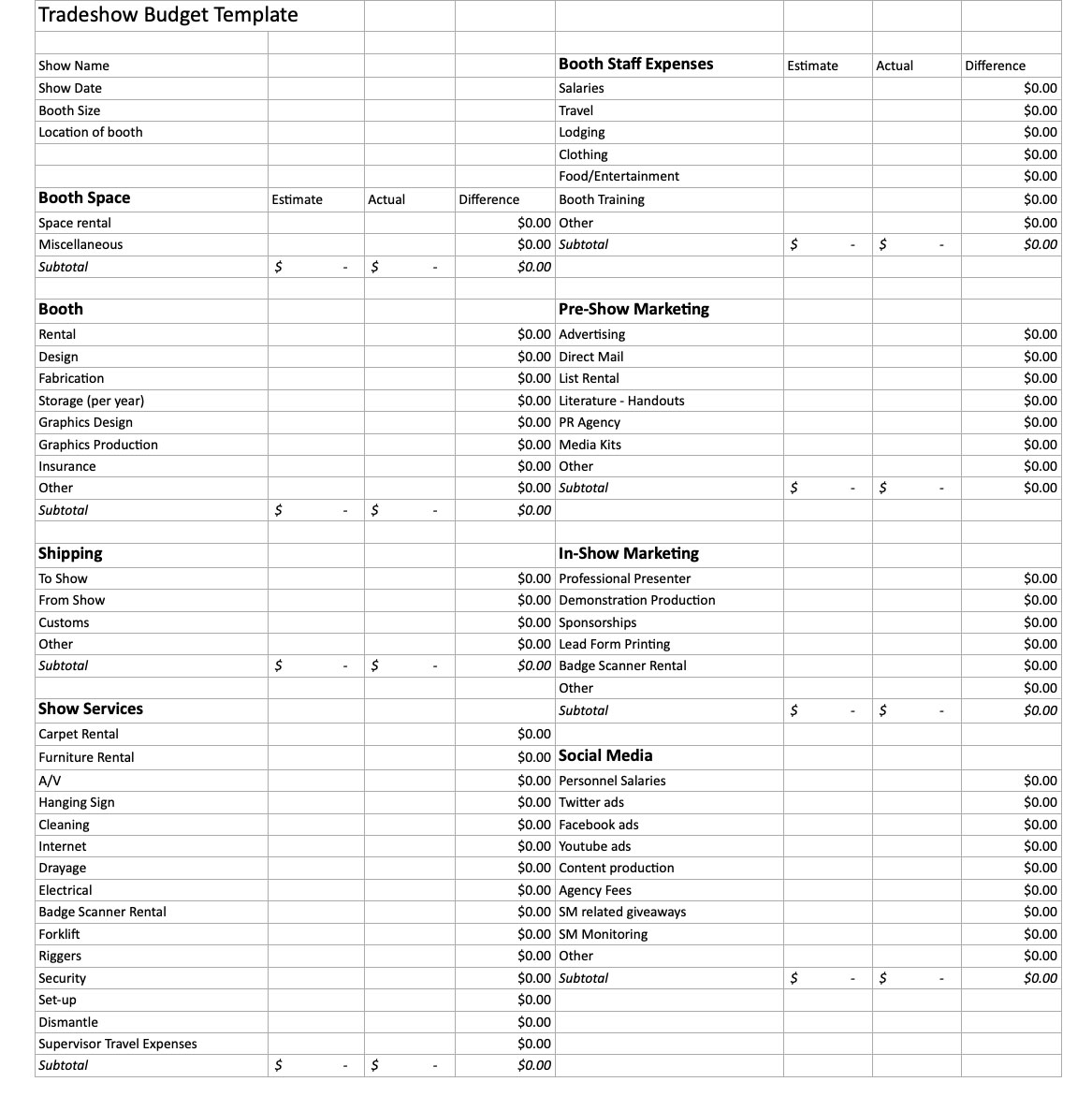
Your budget template can serve as your preliminary checklist, but eventually, your checklist will be longer and will include dates, names, and other details. Some companies already use designated project management software like Asana, but in reality, Excel or even Outlook are sufficient in the beginning.
Trade Show Exhibitor Checklist: Assembling Your Exhibit & Team
Start by identifying the departments and individuals who should “own” elements of the trade show program. It’s more than just Marketing. Sales, Product Development, Customer Service, Shipping, and Accounting/Finance all have roles and responsibilities in successful trade show programs. Successful trade show marketing requires a broad-based commitment in the company, including (and especially) from Senior Management.
In most cases, you’ll be working with an exhibit house partner on your trade show marketing strategy, exhibit design and build, freight, and storage. Their knowledge is invaluable as a resource. They may even have a generic trade show checklist available for you to use.
Some of the preliminary items on your checklist should include:
- Exhibition goals and strategy
- Budget
- Departmental responsibilities
- Show date(s) and due dates for ordering services
- Exhibit design meeting(s)
- Graphic design meeting(s)
- Identifying booth staffing and responsibilities
- Booking travel and lodging
- Creating pre-show, show, and post-show marketing/sales plan, including sponsorships, mailings, invitations, and in-booth events and activities
- Designing and ordering promotional materials and giveaways
- Scheduling freight to and from the show

11 Must have Trade Show Setup Supplies
Trade shows are a delicate balance between order and chaos. Here’s a list of 11 often-forgotten items that will make your job easier and more efficient.
- White Gloves for handling graphics
- Power Strips and Extension Cords labeled with your company name/contact (renting them at the show will be equal to the cost of your oldest child’s first year of college)
- Packing Tape (for dismantling/repacking)
- Cleaning Supplies/Wipes/Magic Erasers (for setup cleaning and before the show opens each day)
- Setup Instructions/Printed Staging Photos for faster setup. It’s important to label which crate has the instruction booklet so your team knows where to start
- Extra Velcro for wire management or last-minute graphic add-ons
- Sharpies for “Empty Crate” labels and for boxes during repacking
- Steamer to remove wrinkles from fabric graphics
- Lint Roller
- Vacuum after installation and before the show opens. This saves on cleaning and is faster so you don’t have to wait for the GSC cleaning services.
- Small Toolbox with basic tools like screwdrivers, boxcutter, allen wrenches, measuring tape, and anything else essential to your display assembly.
8 Personal Tips and/or Supplies for Any Exhibitor
- Comfortable (not new) Shoes.
- Belt (if you’ve ever had to buy a belt in a casino shop, you know why you don’t want to forget it).
- Your “Go To” Pain Medication.
- Laptop, Phone, Tablet Charging Cords.
- Plastic Dry Cleaning Bags for Your Already Clean and Pressed Clothing.
- Early Morning/Late Night Snacks
- Breath Mints (for you and close friends)
- Business Cards (yes, at least a few, for those moments when only a business card will do).
Additional Tips for a Successful Trade Show
Trade show marketing is marketing… but a specialized form of marketing. Expertise takes time. A healthy mix of personal experience, professional advice from exhibition experts, and online resources can significantly shorten the learning curve.
In order to make the most of your investment, it’s important to be prepared and have a plan in place. Here are some tips for a successful trade show:
1. Set clear goals and objectives.
What do you hope to achieve at the trade show? Are you looking to generate leads, increase brand awareness, or launch a new product? Having clear goals will help you measure your success and make sure your efforts are aligned.
2. Choose the right trade show.
There are hundreds of trade shows held each year, so it’s important to choose one that is relevant to your target audience. Research different trade shows to find one that is a good fit for your industry, size, and budget.
3. Develop a strong marketing and promotional plan.
Let people know you’ll be at the trade show and what you have to offer. Use social media, email marketing, and press releases to generate interest.
4. Create a visually appealing and functional booth.
Your booth is your home away from home at the trade show, so make sure it’s a good representation of your brand. Use bright colors, eye-catching graphics, and clear signage. Make sure your booth is staffed with knowledgeable and friendly representatives who can answer questions and provide information about your products or services.
5. Prepare a sales pitch.
You’ll have a limited amount of time to talk to potential customers, so make sure you have a clear and concise sales pitch. Practice your pitch beforehand so you can deliver it confidently.
6. Follow up after the show.
Don’t let your leads go cold! Follow up with potential customers within a few days of the trade show to thank them for their interest and schedule a follow-up meeting or call.
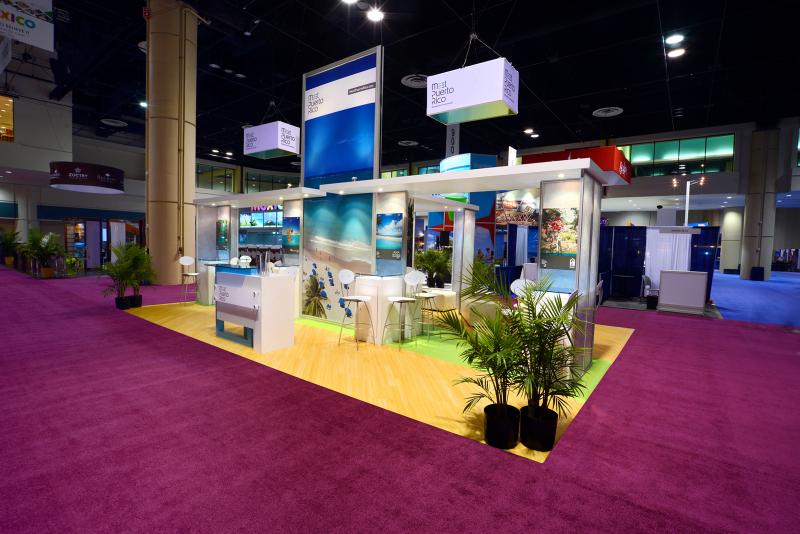
Classic Exhibits is Here to Help with Your Trade Show Checklist!
Classic Exhibits has been designing and building trade show exhibit solutions since 1993. We’ve been honored as an Exhibitor Magazine Find-It Top 40 Exhibit Producers and an Event Marketer Fab 50 Exhibit Builders multiple times. Along with numerous Portable Modular Awards. With over 250 Distributor Partners throughout North America, there’s a Classic representative near you.
Contact us today whether you need a durable hand sanitizer stand built to last, a rental display guaranteed to attract trade show attendees, or a custom 30 x 40 exhibit with all the bells and whistles. We’re not just different. We’re better.