

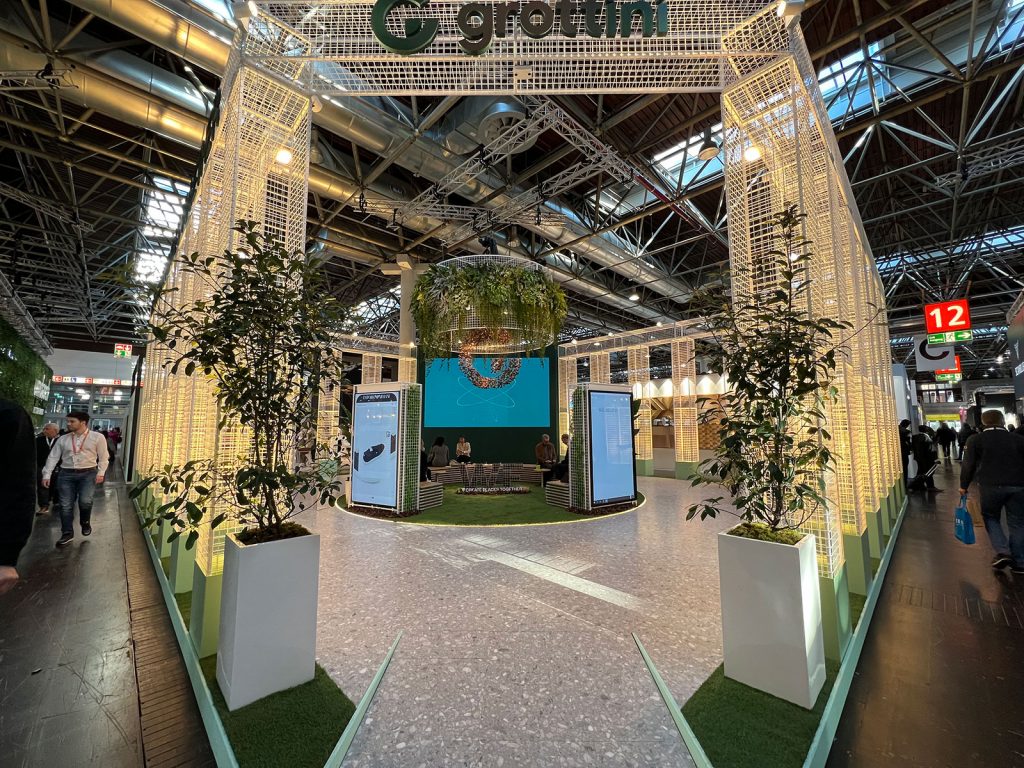
Have you ever told a colleague, friend, or relative that you’re attending a trade show and they look at you with a puzzled expression? It’s as if they’ve heard the word “trade show” before, but don’t quite know what it means. They may say, “Do you mean like the local RV and boat show or the holiday craft fair?” Yes… and no.
Trade Show, as a term, is often used interchangeably with other similar words like conventions, exhibitions, conferences, trade fairs, symposiums, and expos. And while they are similar, trade shows, and in particular professional trade shows, have a specific definition. Oddly enough, a trade show may include a conference, a symposium, and an expo, which only adds to the confusion. Let’s untangle this with both an official definition and a more loosey-goosey definition based on real-life experience.
What is a Trade Show?
A trade show is an exhibition organized so that companies in a specific industry can showcase and demonstrate their latest products and services, meet with industry partners and customers, study the activities of rivals, and examine recent market trends and opportunities. Trade shows are typically held in convention centers or hotels, and they can last for a few days or even weeks.
There are trade shows for all sorts of industries, from technology to manufacturing to healthcare. Some of the largest trade shows in the world include the Consumer Electronics Show (CES), the National Association of Broadcasters (NAB) Show, and the International Builders’ Show (IBS).
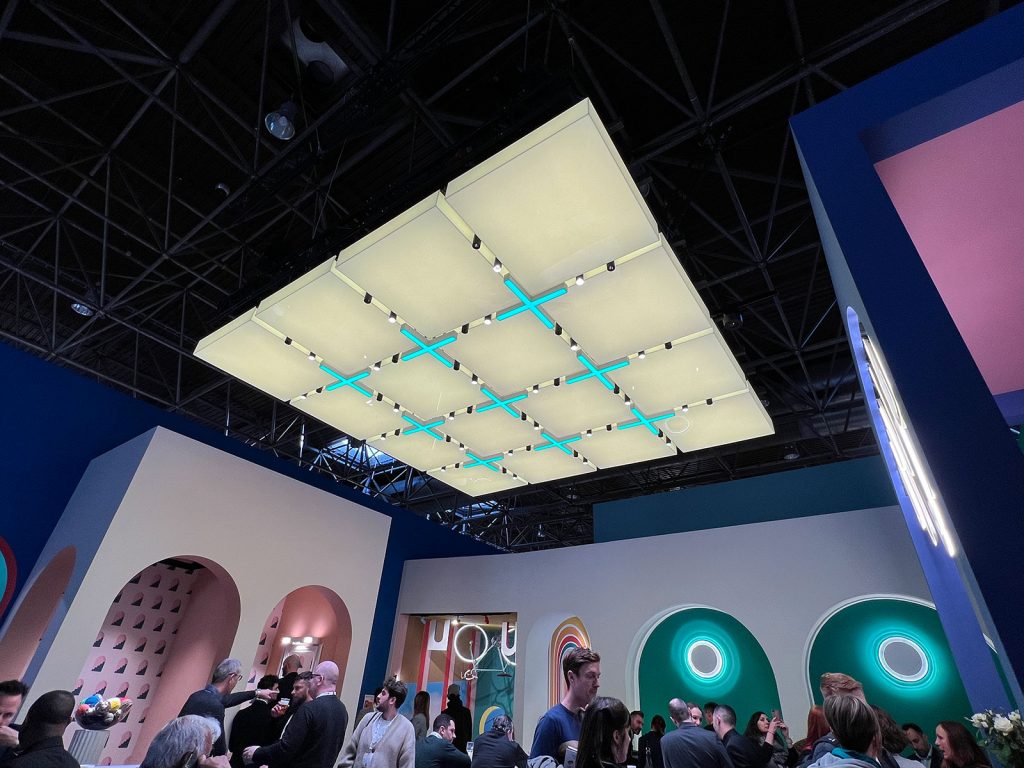
Our Trade Show Definition
For most companies and attendees, a trade show is an opportunity — both professionally and personally. It’s hard work with long hours and an unofficial vacation. It’s a chance to hang with colleagues, meet industry influencers, and check out the competition. There are educational sessions, keynote speakers, award ceremonies, and receptions. Good food. Bad food. And too much of both. Sore feet and not enough sleep. And the thrill of meeting a new client with a massive order for the right supplier.
All too often, however, trade show exhibitors and attendees treat a show as a vacation and/or a party. They don’t prepare, don’t plan, don’t create goals. It’s a week away from the office on the company’s dime. And while they may recognize the show as a “sales and marketing” opportunity, they don’t actively prepare for it by engaging in pre-show marketing or contacting existing or potential clients before the show. To them, it’s an event and what happens happens. Hopefully something wonderful, but there’s no way to predict it.
Those are the exhibitors and the attendees who report back after the show that “it was a waste of time.”
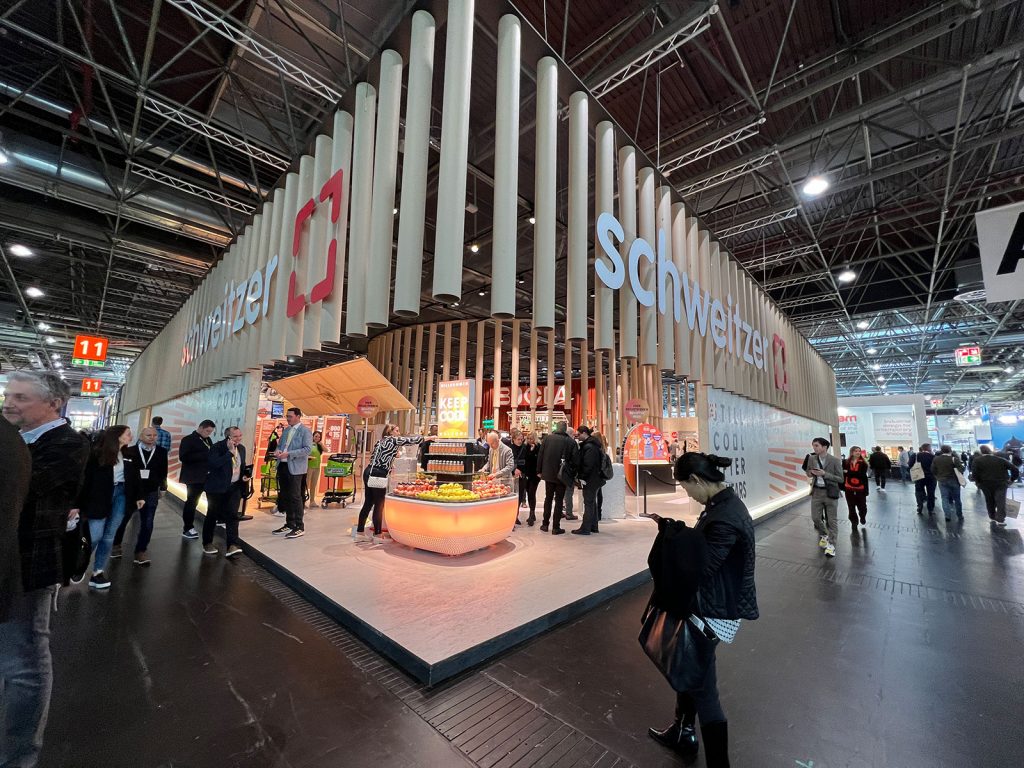
What is the Purpose of a Trade Show?
Trade shows are perfect for learning about new products and services, meeting potential customers, and generating sales leads. They can also be a great way to network with other industry professionals.
If you are considering attending a trade show, you’ll need to make sure that the trade show is relevant to your industry. Second, you need to plan your visit carefully. This includes deciding which exhibitors to visit, who you want to meet, and how you want to spend your time. Third, you need to dress professionally and be prepared to network.
Here are Five Benefits of Attending a Trade Show:
- Learn about new products and services: Trade shows are a great way to learn about new products and services available in your industry. You can see demonstrations of new products, talk to the people who make them, and get your hands on samples.
- Meet with potential customers and partners: Trade shows are a great way to meet with potential customers and partners. You can introduce yourself to people who are interested in your products or services, and you can learn more about their needs.
- Generate leads: Trade shows are a great way to generate leads. You can collect business cards, sign up people for email lists, and schedule follow-up meetings.
- Network with other professionals: Trade shows are a great way to network with other professionals in your industry. You can meet people who work for your competitors, suppliers, and customers.
- Learn about industry trends: Trade shows are a great way to learn about industry trends. You can hear from experts, attend seminars, and see what other companies are doing.
If you are considering attending a trade show, I encourage you to do your research and find one that is relevant to your industry. With a little planning, you can make the most of your time at the show and come away with valuable insights and contacts.
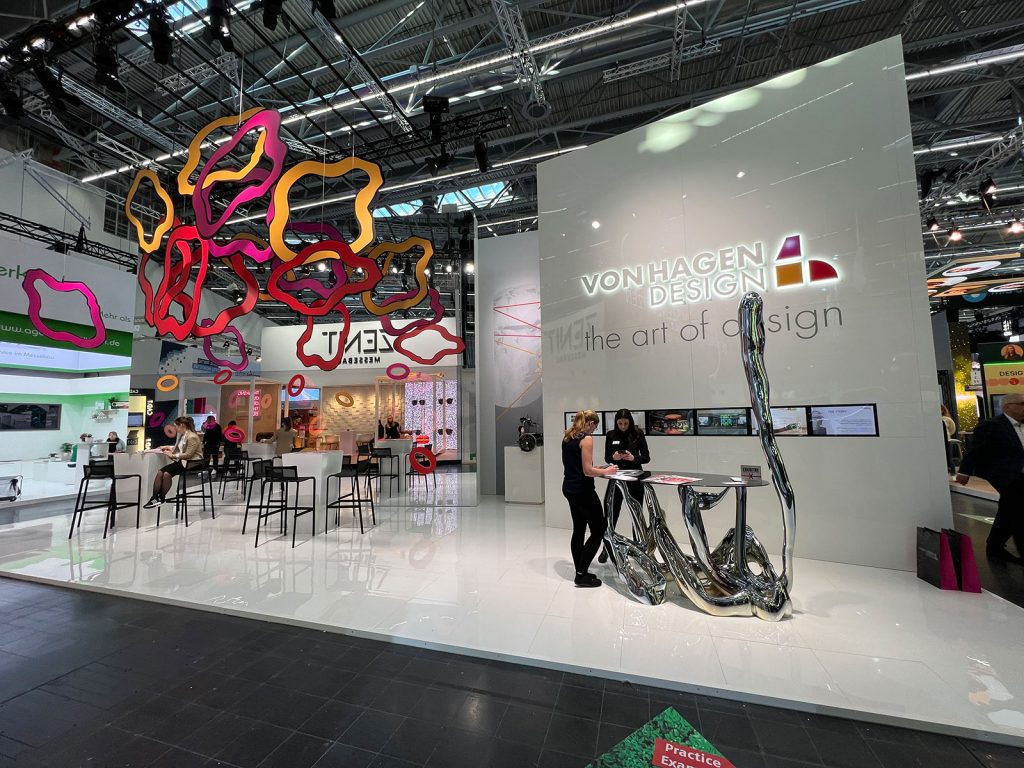
What Are Trade Shows That I Can Attend?
There are thousands of trade shows in North America and tens of thousands worldwide. Even the most aggressive exhibitor only attends a fraction of these. In reality, you’ll probably only attend trade shows relevant to your profession or personal interests.
Before deciding which show to attend, either as an attendee or as an exhibitor, contact friends or colleagues who have gone to the show in the past. They’re the best source of information about whether the trade show would benefit you and/or your company.
Search Tools for Finding Shows in North America and Internationally
- EventsEye – Free source for locating trade shows, exhibitions, and conferences worldwide.
- 10 Times – Search by events, venues, companies, and the Top 100 Events worldwide.
- The Tradeshow Calendar – Global search engine for B2B trade exhibitions with a strong North American database.
- EXHIBITOR Calendar – Search by show names, dates, city, country, and attendees/exhibitors.
- TradeFairDates – In addition to an international trade show search engine, you can also find trade show suppliers.
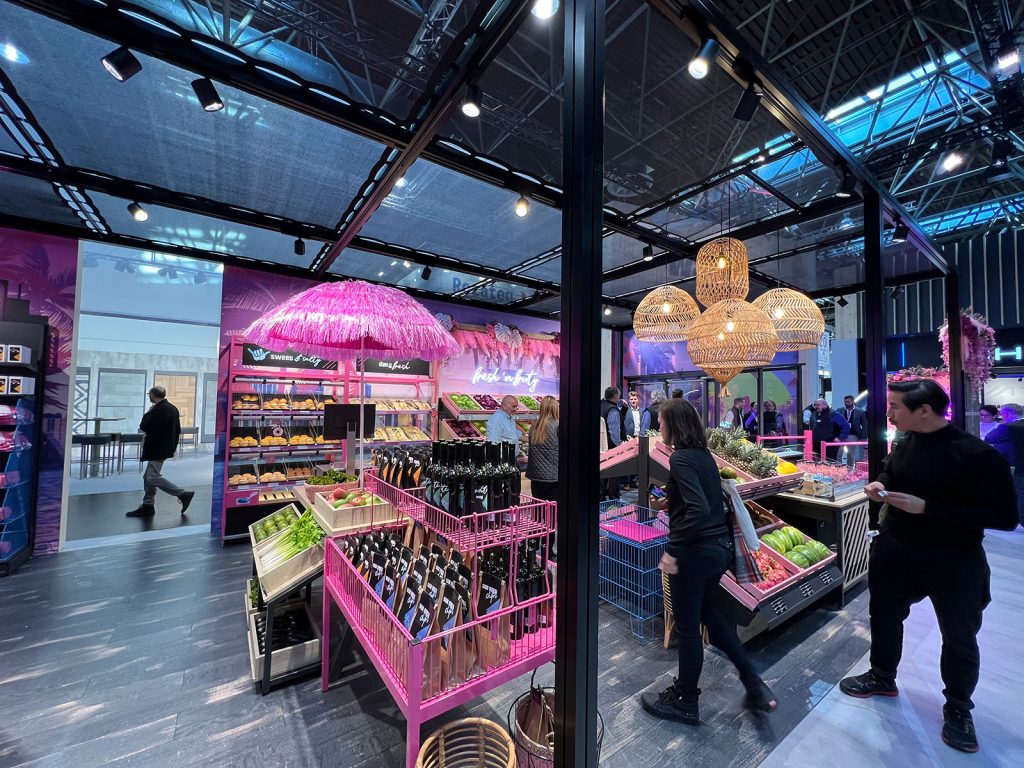
Here are 9 Tips to Prepare for Your First Trade Show:
#1. Set goals:
What do you hope to achieve by attending the trade show? Do you want to generate leads, make sales, or simply learn about new products and services? Once you know your goals, you can start to develop a plan to achieve them.
#2. Choose the right trade show:
There are trade shows for all sorts of industries, so it’s important to choose one that’s relevant to your business. You should also consider the size of the trade show, the date and location, and the cost of attendance.
#3. Plan your trade show exhibit:
Your exhibit is your chance to make a good first impression on potential customers and partners. So make sure it’s well-designed, well-lit, and informative. You should also have plenty of brochures, business cards, and other promotional materials on hand.
#4. Create a trade show marketing plan:
A trade show marketing plan can help you reach your goals by identifying your target audience, developing a message, and creating a budget. You should also consider using social media, email marketing, and other online channels to promote your trade show participation.
#5. Train your staff:
Your staff is the face of your company at the trade show, so it’s important to make sure they’re well-trained. They should know your products or services inside and out, and they should be able to answer any questions potential customers may have.
#6. Attend pre-show events:
Many trade shows offer pre-show events, such as seminars and workshops. These events can be a great way to learn about the latest trends in your industry and network with other professionals.
#7. Arrive early:
It’s important to arrive early at the trade show so you can set up your booth and get a feel for the layout. This will help you make the most of your time at the show.
#8. Be prepared to network:
Networking is one of the most important things you can do at a trade show. So make sure you bring plenty of business cards and be prepared to talk to people.
#9. Follow up with leads:
After the trade show, be sure to follow up with any leads you generated. This could involve sending them an email with more information about your products or services or setting up a meeting to discuss their needs.
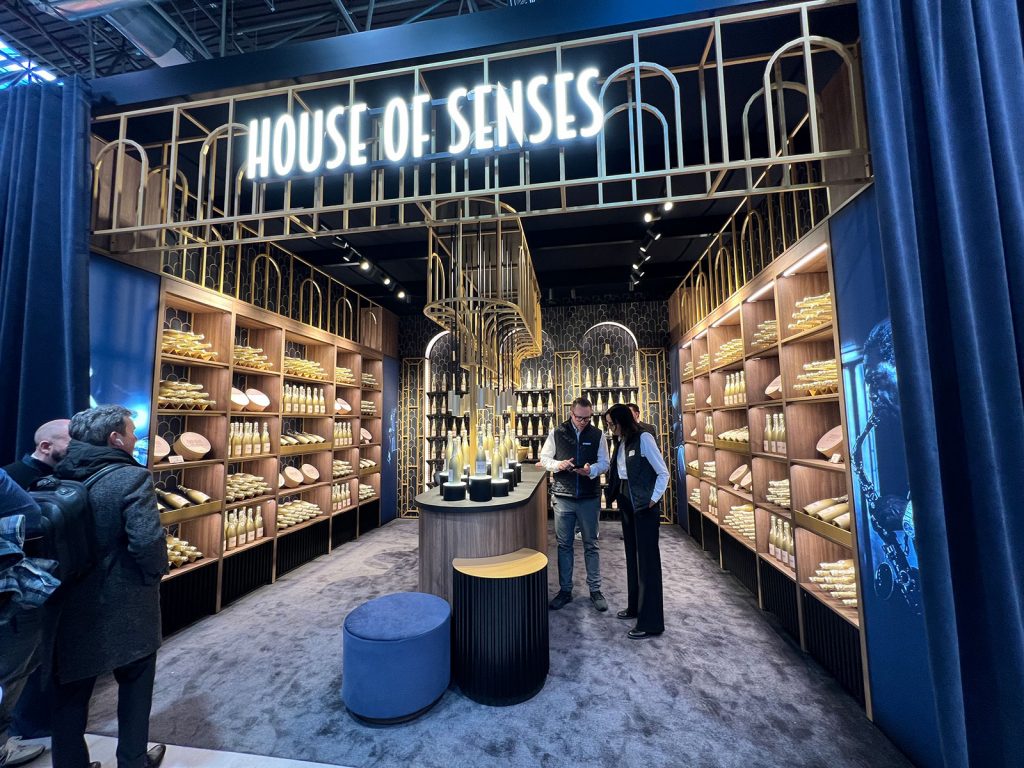
Maximize Trade Show Success with Classic Exhibits!
If you are new to trade shows, don’t go at it alone. The rules, regulations, and informal information can be daunting and the jargon opaque and confusing. Do your homework whether that’s online articles or blogs or by reading books like Build a Better Trade Show Image or Tradeshow Success. And always work with a trade show professional at an exhibit house or industry consultant. Their expertise will not only save you money over time but also maximize your ROI at each trade show by following proven strategies.
Classic Exhibits Inc. designs and manufactures portable, modular, hybrid, and custom exhibit solutions, including Symphony Portable Displays. Classic Exhibits products are represented by an extensive distributor network in North America and in select International markets. For more information, contact us at 866-652-2100 or www.classicexhibits.com.