


As a parent, you teach your children to share — share their toys, their candy, their whatever.
Sharing used to be a cultural necessity in America. Not every farmer could afford a harvester, nor every homeowner the latest tools. So the farmers and neighbors would share. It made sense. Then we saw less of that… until the recession. Suddenly, sharing became a necessity again. And the need to “own it” became less important.
Renting is a form of sharing, whether it’s a backhoe, banquet tables, or a trade show display. For example, I’m a suburbanite with a modest yard on a property with older trees. I use a chainsaw about twice a year. I could buy a new chainsaw for about $200 or a used one from Craigslist for about $90. But I rent it instead for about $35.
If you do the math, it doesn’t make sense. But it does for me. I don’t want to maintain it, store the oil, do the sharpening or the annual tune-up. Nor do I want another tool in my garage. I have enough. I could borrow one from a neighbor, which I do with some tools (and they in return), but certain items should be rented and not borrowed.
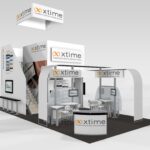

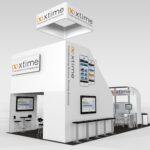
At Classic Exhibits, we’ve seen this rental trend since 2008. At first, it was driven by necessity. Exhibitors were committed to a show and/or committed to trade show marketing and their budgets were slashed. Now, however, that trend has less to do with slashed budgets and more to do with personalization, capacity, ownership, storage, and design.
Personalization
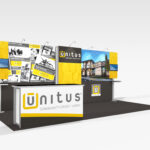
Here’s what we’ve learned. Rentals can’t simply be a single function tool in the toolbox — practical but generic. Exhibitors have the same expectations for rentals as they do for purchase displays. They want it personalized. Rental exhibits should reflect their branding and their exhibit marketing requirements… and it needs to look new.
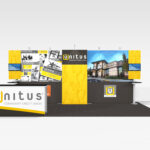
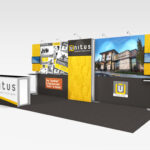
Capacity
It’s difficult for a small exhibit house to make the necessary investment and to maintain a large unblemished rental inventory. But when you are the manufacturer supporting 180 distributors the scale becomes easier to swallow. It’s very common for distributors to offer a modest selection of in-house rental designs and count on manufacturers to fulfill client requests beyond what they own. Exhibitors understand these partner relationships, and typically have no problem with it. In fact, they’re usually thrilled that they’re being offered a solid engineered solution.
Ownership
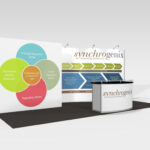
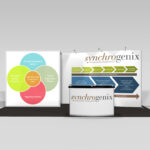
A lot of exhibitors don’t want to own their exhibit. They prefer to have the flexibility that’s offered by renting. With rental exhibits, they can change the design from show to show to better match their target audience and market, rather than feeling obligated to stick with the same design for multiple shows and/or multiple years. Less pressure. More flexibility.
From a cost standpoint, custom rental components are very affordable. Exhibit houses and manufacturers will often include custom elements below their cost, knowing they can re-rent them.

Storage
We can all relate to the challenges of not having enough storage space, whether it’s at home or at our business. Exhibitors have to consider whether it makes sense to storing their exhibit. Do they have the available space? Do they have someone with the time and experience to maintain the exhibit and arrange for potential repairs and updates? Or does it make more sense to pay their exhibit house a monthly storage fee, plus pull and prep fees to take care of everything for them? With rental exhibits none of that matters, because all of that’s taken care of, and they start fresh for every show.
Design
It’s amazing how far we’ve come with rental exhibit designs. They used to be like a McDonald’s. You could spot one a 1/4 of a mile away. Today, it’s very difficult to differentiate a rental from a purchase. Custom rental designs used to be the exception but now represent a significant percentage of what exhibit houses offer. Savvy customers know they can choose to rent over purchasing without the fear of design limitations.
Today it’s all about design solutions, whether a purchase or rental exhibit. And it usually goes back to the question of flexibility and ownership to determine the best option. A combination of purchase and rental components is quite common as well. For example, it often makes sense to own a central tower with storage, knowing that it will always be needed, but rent the workstations and charging stations, because those needs change from show to show.
In the end… Rental or Purchase? Which avenue offers the best opportunity for an exhibitor to achieve their objectives for upcoming shows? Listen closely to what the exhibitor is telling you. You may be surprised at what they are sharing.
Jim Shelman
GM Classic Rental Solutions
jshelman@classicexhibits.com
[subscribe2]